ACV Gummies vs Ozempic: Realistic Expectations
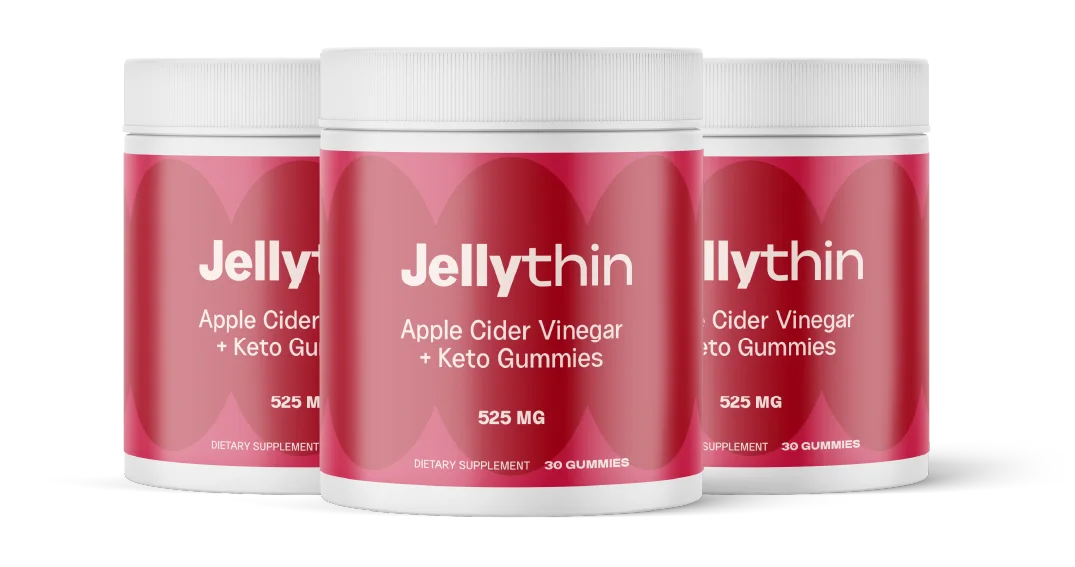
Are ACV gummies as effective as Ozempic?
No, and it is not close. In clinical trials, semaglutide (Ozempic/Wegovy) produced average body-weight losses around 15 percent, and tirzepatide around 21 percent, under medical supervision. Apple cider vinegar supplements show only small, inconsistent effects. Gummies are an affordable lifestyle habit, not a replacement for a prescription weight-loss medication.
- GLP-1 drugs average roughly 15–21% body-weight loss in trials; ACV shows a kilogram or two at most.
- Ozempic is a prescription medicine with medical oversight; a gummy is a food supplement.
- Gummies may suit people wanting a low-cost daily habit alongside diet, not a drug substitute.
Two very different things in the same sentence
Comparing an apple cider vinegar gummy to Ozempic is a little like comparing a daily walk to knee surgery. Both relate to your body, but they are different categories of intervention with different evidence, different oversight and vastly different scale. Ozempic is a brand of semaglutide, a prescription GLP-1 receptor agonist given by injection under a doctor's care. An ACV gummy is a food-category dietary supplement you buy without a prescription.
Holding them side by side is useful only to set expectations, not because they are interchangeable. The wider supplement aisle makes the same comparison, which we test in what the evidence says about natural GLP-1 alternatives. Nothing here is medical advice, and none of these products is offered as a way to diagnose, treat or cure any condition — the point is simply to be honest about what each one can realistically do.
What the GLP-1 trials actually showed
The GLP-1 medications have large, well-run randomised trials behind them. In the STEP program, adults with obesity taking semaglutide lost on average around 15 percent of their body weight over roughly a year and a quarter, compared with a few percent on placebo (MedlinePlus: Semaglutide injection). Tirzepatide, a dual GIP/GLP-1 agonist studied in the SURMOUNT trials, went further, averaging around 21 percent at the highest dose.
These drugs work largely by acting on the same appetite hormones your gut already uses — slowing gastric emptying and powerfully reducing hunger. Whatever your view of them, the measured effect sizes sit in a different universe from any supplement, and they were achieved under medical monitoring.
What ACV research actually shows
Apple cider vinegar has genuine human data, and it is only honest to say the effect is small. Its best-supported action is blunting the glucose rise after a starchy meal (Johnston 2004, PubMed 14694010). Trials looking directly at weight — typically using 15 to 30 ml of liquid vinegar daily on top of a controlled diet — have reported reductions on the order of a kilogram or two over eight to twelve weeks, and the results are inconsistent from study to study.
A gummy usually delivers less vinegar than those trial doses, so its plausible effect is smaller still. The trial numbers themselves are collected in what the apple cider vinegar weight-loss trials found. This is a modest nudge to how your body handles a meal, not a weight-loss drug, and it should be described that way.
Semaglutide reengineers appetite at the hormone level and is measured in trials of thousands. A gummy is a daily habit measured in tablespoons. Expecting them to compete is the mistake the marketing wants you to make.

Cost, access and oversight
The differences extend well beyond effect size. GLP-1 drugs are expensive, often require insurance navigation or a significant out-of-pocket cost, and are prescribed and monitored by a clinician who screens for contraindications and adjusts the dose over time. A gummy costs a few dollars a month, needs no prescription, and comes with no medical oversight.
That lack of oversight is convenient, but it cuts both ways: no one is checking whether the product is appropriate for you. Neither model is simply "better"; they serve different needs, budgets and levels of medical involvement.
Side effects and who supervises them
GLP-1 medications commonly cause nausea and carry warnings and contraindications, which is precisely why they require a prescriber (NIDDK: Prescription Medications to Treat Overweight and Obesity). That supervision is a feature, not a hurdle. Apple cider vinegar's issues are milder: acid exposure to tooth enamel, possible reflux, and one interaction worth flagging — because vinegar can lower post-meal glucose, anyone taking glucose-lowering medication should speak to their doctor before making it a daily habit.
In both cases the sensible move is the same: involve a qualified professional in decisions about medication, and treat a supplement as a supplement. Our list of keto ACV gummy side effects and who should avoid them sets out which conversations are worth having first.
Who might reasonably choose a gummy
So who is a gummy actually for? Someone who wants a low-cost, low-commitment daily habit to sit alongside an improving diet, and who does not have a medical indication for — or access to — a prescription drug. Someone who finds liquid vinegar unpalatable but will happily take a gummy. Someone whose goal is a small supporting nudge rather than a double-digit transformation.
That is a legitimate use, and there is nothing wrong with it. What a gummy is not is a home version of Ozempic, and any brand that implies otherwise is overselling what the evidence can support.
An honest bottom line
If you have a clinical need and access, prescription GLP-1 therapy is in a class the supplement aisle cannot touch — and that is a decision to make with your doctor, not a review site. If instead you want an affordable daily habit to support the diet-and-deficit work that underlies every result, an ACV gummy is a reasonable, honest choice at its true and modest scale.
The two are not rivals. The only real problem is when a gummy is sold as if it were the drug.
See the gummy for what it is
The full ingredient panel, the honest dose figures and today's official-store pricing — on one page, no hype.
Get OfferFrequently asked questions
Are ACV gummies as effective as Ozempic?
No. In trials, semaglutide averaged around 15 percent body-weight loss and tirzepatide around 21 percent, under medical care. Apple cider vinegar shows only small, inconsistent effects, a kilogram or two at most on top of a controlled diet.
How much weight do GLP-1 drugs cause versus supplements?
GLP-1 medications average roughly 15 to 21 percent of body weight in clinical trials. Apple cider vinegar supplements, when they work at all, produce changes measured in a kilogram or two, a different order of magnitude entirely.
Can gummies replace weight-loss injections?
No. A gummy is a food supplement with a modest effect, not a substitute for a prescription medicine. If you have a medical need for GLP-1 therapy, that is a decision to make with your doctor, not a review site.
Who might choose gummies over medication?
Someone wanting a low-cost daily habit alongside an improving diet, who has no medical indication for or access to a prescription drug, and whose goal is a small supporting nudge rather than a major, medically supervised change.