Natural GLP-1 Alternatives: What the Evidence Says

Do natural GLP-1 alternatives work like Ozempic?
Mostly no. Most supplements marketed as natural GLP-1 alternatives have no GLP-1 receptor activity at all. The best-studied contender, berberine, produces roughly 1 to 3 percent weight loss in trials, versus about 15 percent for semaglutide and 21 percent for tirzepatide. Natural does not mean regulated or proven, and these products are best seen as convenience-focused support, not drug replacements.
- Berberine: real but small effect, nowhere near prescription GLP-1 drugs.
- ACV and fibre: modest appetite and glucose signals, not GLP-1 activation.
- "Natural" tells you nothing about dose, testing, or proof.
What GLP-1 actually is
GLP-1, or glucagon-like peptide-1, is a hormone your gut releases after you eat. It does several useful things at once: it tells the pancreas to release insulin, it slows how fast the stomach empties, and it signals fullness to the brain. Drugs like semaglutide (Ozempic, Wegovy) and tirzepatide (Mounjaro, Zepbound) are engineered molecules that lock onto the GLP-1 receptor (MedlinePlus: Semaglutide injection) and hold that "I am full and my blood sugar is handled" signal on for far longer than your own hormone ever would. That sustained activation is why they produce the weight loss they do.
Keep that mechanism in mind, because it is the yardstick. A genuine GLP-1 alternative would have to activate the same receptor, or reliably raise your own GLP-1 enough to matter. Almost nothing sold in the supplement aisle does either. Understanding the target makes it much easier to see which claims are plausible and which are simply borrowing a fashionable drug's name.
Why most "natural GLP-1" claims fall apart
The phrase "natural GLP-1" is doing sleight of hand. In practice it is used three different ways, and only one of them is honest. Some products imply they contain GLP-1, which they do not — it is a peptide that would be digested if you swallowed it. Some claim to boost your natural GLP-1 release, which a few ingredients may do slightly, but rarely at a magnitude that changes the scale. And some simply mean "this affects appetite or blood sugar somehow," which is a much weaker claim wearing a stronger claim's clothes.
The tell is usually the comparison the marketing invites and then never makes explicit. It wants you to picture Ozempic-level results while only being able to point to a small appetite study. Once you ask "compared to what, and by how much," most of the category deflates. That is not a reason to dismiss every ingredient — it is a reason to check the actual numbers, which is what the rest of this piece does.
Berberine: the honest numbers
Berberine is the ingredient with the strongest claim to the "nature's Ozempic" nickname, so it deserves a fair hearing and an honest scoreboard. We score it against vinegar directly in berberine versus ACV gummies. It is a compound from plants such as goldenseal and barberry, and it does have real biological activity: it activates an energy-sensing enzyme called AMPK, and trials have shown modest improvements in blood sugar and cholesterol (NCCIH: Herbs at a Glance). That is genuine, and it is more than most supplement ingredients can claim.
But the weight-loss figures are where honesty matters. Across the trials, berberine typically produces on the order of 1 to 3 percent body-weight loss. Compare that with the headline trial results for the drugs it is nicknamed after: roughly 15 percent for semaglutide and around 21 percent for tirzepatide. Those are not small differences in the same ballpark — they are different ballparks. Calling berberine nature's Ozempic overstates it by roughly an order of magnitude, even while acknowledging that berberine does something real.
Berberine is a real supplement with real, small effects. "Nature's Ozempic" is a nickname the results do not support.
Where ACV gummies actually fit
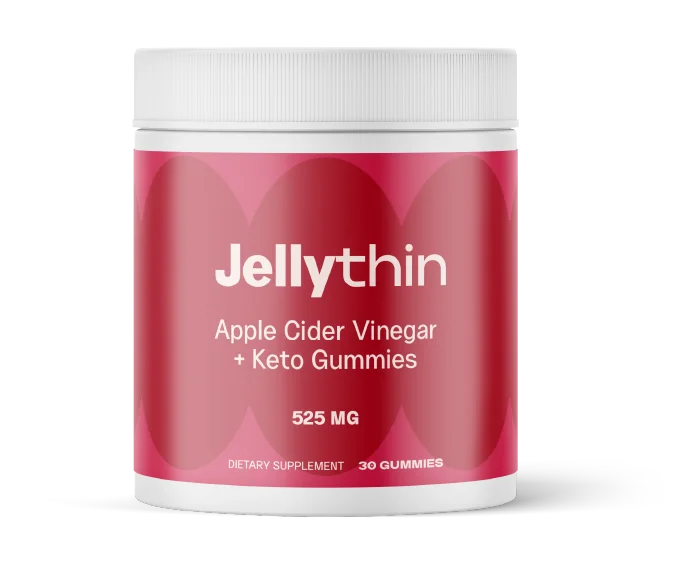
Apple cider vinegar, the base of many gummies including this category, has no GLP-1 receptor activity whatsoever. What it has is a modest, real effect on the post-meal glucose curve — acetic acid slows gastric emptying, so glucose from a starchy meal arrives more gradually and the peak is lower (Östman 2005, PubMed 16015276). Some people also report a small reduction in appetite. Both effects are genuine and both are small, and neither is the same phenomenon as a GLP-1 drug.
So the honest position on ACV gummies is this: they are a convenient, easy-to-keep daily habit that can gently support an eating plan already heading in the right direction. That is a legitimate role. The trouble only starts when the format is dressed up as a GLP-1 alternative, because that invites an expectation the ingredient cannot meet. That comparison is made explicit in ACV gummies versus Ozempic. Bought for what it is, a gummy is fine. Bought as an Ozempic substitute, it will disappoint. And put the food levers first, as protein, fiber and appetite hormones sets out.
What "natural" does and does not guarantee
The word "natural" is carrying enormous weight in this market, and it guarantees far less than shoppers assume:
- Not tested for effectiveness before sale. Supplements do not have to prove they work to be sold. Drugs do.
- Not standardised. The dose in a gummy may be a fraction of the dose used in the study it cites, and proprietary blends can hide the amount entirely.
- Not free of interactions. Berberine, for example, can affect how the body processes certain medications and can add to glucose-lowering drugs.
- Not automatically safer. Prescription GLP-1 drugs have well-catalogued side effects precisely because they have been studied; many supplements simply have not been studied enough to have a catalogue.
None of this makes natural products bad. It makes "natural" a marketing adjective rather than a safety or efficacy guarantee, and worth mentally deleting when you read a label.
How to choose sensibly
If you are drawn to the natural side of this shelf, a few honest rules keep expectations and money in proportion. Judge each ingredient on its own trial data, not on the drug it is compared to. Assume any undisclosed dose is a small one. Value the convenience and the habit — a supplement you actually take beats a stricter plan you abandon — but do not pay a premium for implied drug-level results. And treat serious weight-loss goals, or any weight change complicated by a medical condition, as a conversation with a clinician who can talk you through the real GLP-1 drugs and whether they are appropriate for you.
The bottom line is not that natural options are worthless. It is that the honest ceiling for the best of them sits far below the prescription drugs, and any product that blurs that line is selling the comparison rather than the evidence.
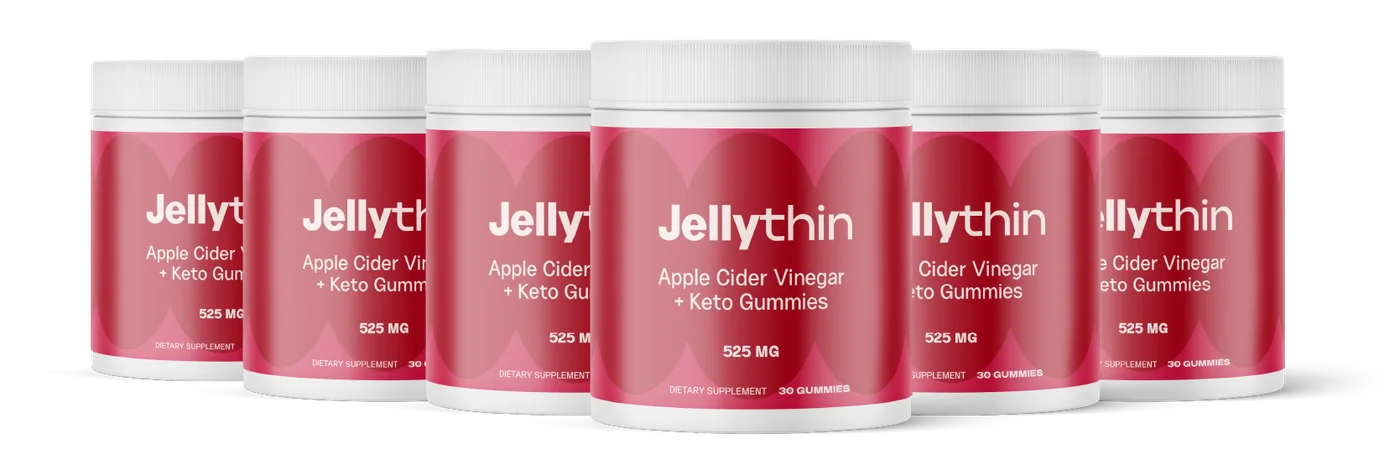
See exactly what is in the blend
The full Supplement Facts transcription, the blend arithmetic and today's official-store pricing — on one page, no drug comparisons implied.
Get OfferRelated reading
- ACV Gummies vs Ozempic: Realistic Expectations
- Berberine vs ACV Gummies for Weight Loss
- Metabolism-Boosting Myths, Debunked
- Keto ACV Gummies: Side Effects and Who Should Avoid
Frequently asked questions
Do natural GLP-1 supplements really mimic Ozempic?
No, not in any meaningful sense. Ozempic is semaglutide, a GLP-1 receptor agonist that directly activates the GLP-1 pathway. The supplements sold as natural alternatives do not contain that drug and do not switch on the receptor the way it does. At best some ingredients nudge appetite or blood sugar slightly, which is a long way from mimicking the medication.
How does berberine compare to prescription drugs?
It is not close. Trials of berberine generally show around 1 to 3 percent body-weight loss, while semaglutide produces roughly 15 percent and tirzepatide around 21 percent in their major trials. Berberine may modestly help blood sugar and cholesterol, but calling it nature's Ozempic overstates it by an order of magnitude.
Are ACV gummies a GLP-1 alternative?
Not really. Apple cider vinegar has no GLP-1 receptor activity. What it can do is slightly blunt the blood-glucose rise after a starchy meal and, for some people, take a small edge off appetite. Treat ACV gummies as a convenient daily habit that supports a diet, not as a stand-in for a GLP-1 drug.
Is 'natural' safer than prescription weight-loss drugs?
Natural does not mean regulated, tested, or proven. Supplements are not reviewed for effectiveness before sale, doses vary widely, and some ingredients interact with medication. Prescription GLP-1 drugs have side effects but are studied and monitored. Safer depends entirely on the specific product, the dose, and the person taking it.