Protein, Fiber and Appetite Hormones Explained
How do protein and fiber control hunger?
They work on the body's own appetite signals. Protein is the most filling macronutrient and helps blunt the hunger hormone ghrelin while raising fullness signals, and fiber slows digestion and adds bulk that stretches the stomach. Together they keep you satisfied for hours far more reliably than any gummy can.
- Protein lowers ghrelin and raises satiety hormones like GLP-1 and peptide YY.
- Aim for roughly 25–30 g of protein per meal and 25–38 g of fiber per day.
- This steadies appetite so a calorie deficit feels sustainable — the gummy does not.
The hormones behind hunger and fullness
Appetite is not pure willpower; it is largely chemistry. Ghrelin, made mostly in the stomach, is the "hunger hormone" — it rises before meals and falls once you have eaten. A group of "satiety hormones," including GLP-1, peptide YY and cholecystokinin, are released from the gut as food arrives and signal to the brain that you have had enough.
What you eat changes how strongly these signals fire and how long they last. That is why two meals with identical calories can leave you comfortably full for four hours or hungry again within ninety minutes. If you want appetite on your side, the practical question is not "how little can I eat" but "what makes my own fullness signals do more work."
Why protein is the most filling macronutrient
Across controlled feeding studies, protein is consistently the macronutrient that produces the most fullness per calorie (MedlinePlus: Dietary Proteins). It suppresses ghrelin more than carbohydrate or fat does, and it stimulates the release of GLP-1 and peptide YY. It also carries the highest thermic effect, meaning your body spends more energy digesting it, and it helps protect lean muscle while you are in a deficit, which keeps resting metabolism higher.
The practical upshot is simple: a protein-forward meal keeps you satisfied longer and makes eating less feel less like a fight. This is the single highest-leverage change most people can make to their appetite, and no supplement comes close to matching it.
How much protein per meal, and why timing matters
A reasonable, evidence-aligned target for most adults is roughly 25 to 30 grams of protein per meal, spread across the day rather than loaded into dinner. That is about the amount that reliably maximises both the fullness response and muscle protein synthesis in a single sitting.
In food terms that is a chicken breast, a can of tuna, a large cup of Greek yogurt, three eggs with a little extra, tofu and edamame together, or a scoop of whey in milk. Hitting a similar number at breakfast is where many people gain the most control, because a protein-rich first meal flattens the mid-morning cravings that otherwise derail the rest of the day.
A gummy nudges one small lever. A 30-gram protein breakfast pulls the big one — you are not fighting your hunger hormones, you are working with them.

Fiber: the slow, bulky brake on appetite
Fiber is the other half of the story, and it works through different mechanisms. Soluble fiber absorbs water and forms a gel that slows gastric emptying, so food leaves the stomach gradually and the post-meal glucose rise is gentler (MedlinePlus: Dietary Fiber). Insoluble fiber adds physical bulk that distends the stomach and triggers the stretch receptors tied to fullness.
Fermentable fibers also feed the gut bacteria that produce short-chain fatty acids, which are linked to satiety signalling. The combined result is steadier energy between meals and less reflexive snacking — the quiet background support that makes eating less feel normal rather than effortful.
How much fiber, and where to get it
Most guidelines put the daily target near 25 grams for women and up to 38 grams for men, and most people eat around half that (MedlinePlus (U.S. National Library of Medicine) — Fiber). Close the gap with food rather than a powder wherever you can: beans and lentils, oats, berries, apples and pears with the skin on, chia and flax, plenty of vegetables, and intact whole grains.
Raise your intake gradually and drink more water as you do, or you will trade appetite control for bloating. Paired with adequate protein at each meal, this combination does more for day-to-day hunger than any single supplement on the shelf.
Where ACV gummies fit — and where they don't
Here is the honest comparison. Apple cider vinegar's best-supported effect — a modestly lower glucose rise after a starchy meal — overlaps with something fiber already does, at a fraction of the strength. The vinegar dose in a gummy is small, and its effect on appetite specifically is minor and inconsistent across the research. We weigh that evidence in ACV gummies for appetite control.
So an ACV gummy is a reasonable convenience habit, but it is not an appetite tool in the same league as building meals around protein and fiber. Do not expect a gummy to override a diet that is low in both; when that contest happens, the hormones win every time.
Putting it together with a deficit
None of this changes the underlying arithmetic: you still need a calorie deficit to lose fat. What protein and fiber do is make that deficit livable. You feel full on fewer calories, cravings soften, and you are far less likely to abandon the plan by Thursday. The supplement claims that promise the same thing without the food are examined in metabolism-boosting myths, debunked, and the realistic pace of change in how long before ACV gummies show any weight results.
Build each meal around a palm or two of protein and a generous serving of fiber-rich plants, keep portions honest, and treat the gummy as a small add-on rather than the strategy. That is the order of operations the evidence actually supports.
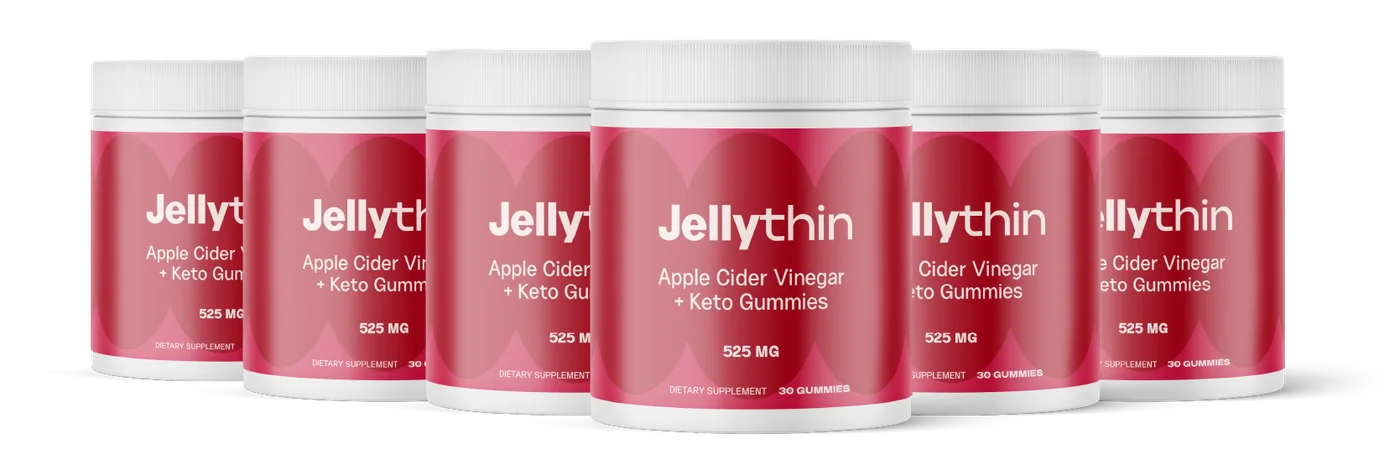
Where the gummy fits in your day
See the full ingredient panel and today's official-store pricing, and decide how the gummy sits alongside your meals.
Get OfferFrequently asked questions
How do protein and fiber control hunger?
Protein lowers the hunger hormone ghrelin and raises satiety hormones like GLP-1 and peptide YY, while fiber slows digestion and adds bulk that stretches the stomach. Together they keep you full for longer and make eating less feel more comfortable.
How much protein should I eat per meal?
For most adults, roughly 25 to 30 grams per meal, spread across the day rather than saved for dinner. That is about the amount that reliably maximizes both fullness and muscle protein synthesis in a single sitting.
Do appetite hormones affect weight loss?
Strongly. They set how hungry or full you feel, which shapes how easy a calorie deficit is to sustain. Meals built around protein and fiber work with these hormones, which is why they beat willpower alone over time.
Is food or a supplement better for cravings?
Food, clearly. A protein-and-fiber meal moves your appetite hormones far more than an ACV gummy can. A gummy is a small convenience habit; it cannot override a diet that is low in protein and fiber.