Chromium Picolinate and Carb Cravings Explained

Does chromium picolinate stop carb cravings?
Chromium picolinate is a trace mineral studied for its role in insulin signalling. Some trials link it to fewer carbohydrate cravings and steadier blood sugar, but the results are mixed and the effects are small. It shows up as a supporting ingredient in some ACV and keto gummy blends, not as a proven cure for cravings.
- Typical supplement doses run 200 to 1000 mcg per day.
- Evidence for craving reduction is inconsistent and mostly from small studies.
- It works alongside diet, not as a replacement for one.
What chromium picolinate actually is
Chromium is an essential trace mineral. Your body needs only microgram amounts of it, and you get most of what you need from ordinary food: whole grains, meat, broccoli, some fruits (MedlinePlus: Minerals). Picolinate is simply the carrier — picolinic acid bound to chromium — chosen by supplement makers because it is reasonably well absorbed compared with some other forms. So when you see "chromium picolinate" on a gummy label, you are looking at a delivery form of a nutrient most people already consume, not an exotic new compound.
That framing matters, because the marketing around chromium tends to skip it. A trace mineral you get from broccoli does not sound like a craving-crushing breakthrough, so the copy leans instead on the word "insulin" and lets the reader fill in the rest. The real story is more interesting and more limited than the sales page, and it is worth understanding before you decide whether the ingredient earns its place in a blend.
The insulin-receptor mechanism
Here is the part the marketing is built on, told straight. Chromium appears to support the action of insulin at the cell surface. The working model involves a small chromium-binding molecule that helps the insulin receptor respond more efficiently once insulin has docked. In plain terms: chromium may make the body's existing insulin work a little better, particularly in people whose insulin signalling is sluggish to begin with.
Notice what that mechanism does and does not promise. It does not add insulin, burn fat, or override a calorie surplus. At most it nudges the sensitivity of a system you already have. And crucially, if your chromium status is already adequate — which it is for many people eating a varied diet — topping it up further has less obvious room to help. The mechanism is real. Its size in a well-fed person is the open question.

The craving evidence, honestly
This is where expectations need pruning. The idea that chromium reduces carbohydrate cravings comes largely from a specific research thread: small trials in people with atypical depression, and in people who describe binge-eating or strong carbohydrate cravings as part of their pattern. In some of those studies, participants taking chromium reported meaningfully fewer cravings and less of the drive to eat when not hungry. Those results are genuine and they are why the ingredient became a fixture in appetite-focused blends.
But the literature does not line up neatly. Other well-run trials found no craving effect at all, and reviews that pool the studies together tend to land on the same cautious verdict: there may be a real benefit for a subset of people, it is modest where it exists, and it is not consistent enough to promise to any given individual. If you have a strong, specific carbohydrate-craving pattern you might be in the group that responds. You might equally not be. Nobody can tell in advance from a label.
Chromium's craving reputation was earned in a narrow group of people and then sold to everyone. The narrowing is where the honesty lives.
What the blood-sugar trials show
The blood-sugar research runs parallel to the craving research and has the same shape: promising in places, contradictory overall. Several trials in people with type 2 diabetes have reported small improvements in fasting glucose or HbA1c with chromium supplementation. Several others found no significant change. Meta-analyses that combine them generally conclude that any average effect is small and that the people most likely to benefit are those who were low in chromium or had poorer glucose control to start with.
For a healthy person with normal blood sugar, then, the realistic expectation from added chromium is close to nothing measurable — you cannot improve a system that is already working well. For someone with insulin resistance the picture is a little more open, but this is precisely the situation where you want a doctor involved rather than a gummy, because chromium can theoretically stack with glucose-lowering medication.
Dose: 200 to 1000 mcg, and what gummies deliver
The trials that report benefits generally use 200 to 1000 micrograms of chromium per day, most commonly in the 200 to 600 mcg range (NIH Office of Dietary Supplements: Chromium). That is the benchmark worth remembering, and it is where a lot of gummies quietly fall short. A weight-loss gummy that discloses its chromium at all often lists something in the tens of micrograms — a respectable nutritional contribution, but frequently below the amounts used in the research it is implicitly borrowing credibility from.
Worse for transparency, chromium in an ACV or keto gummy is often folded into a proprietary blend, so the label prints a combined weight and never tells you how much chromium is actually in there. When the amount is hidden, you should assume it is toward the lower, cheaper end — that is the commercially rational choice, and there is rarely a marketing reason to bury a genuinely generous dose. Our guide to reading a proprietary blend label shows the four checks that still leak information when the numbers are hidden. Treat an undisclosed chromium figure as a small one until proven otherwise.
Is it safe to take every day?
For most healthy adults, chromium picolinate at typical supplement doses is generally regarded as safe, and remember it is a nutrient the body requires in trace amounts anyway (NCCIH: Using Dietary Supplements Wisely). The main cautions are specific rather than general:
- Kidney and liver conditions. There are old case reports of problems at very high long-term doses, so people with kidney or liver impairment should be careful and ask a clinician.
- Diabetes medication. Because chromium may influence glucose handling, it can in principle add to the effect of insulin or oral glucose-lowering drugs. That is a conversation for your prescriber, not a surprise you want at home.
- Thyroid medication timing. Chromium can interfere with the absorption of levothyroxine if taken at the same time, so separate them by several hours.
- Pregnancy. As with most supplements, stick to food sources and dietary reference amounts unless a doctor advises otherwise.
How to hold chromium in a gummy fairly
A fair summary is that chromium picolinate is a legitimate trace mineral with a plausible mechanism and a genuinely mixed evidence base for the two things it is sold on — cravings and blood sugar. It is not snake oil, and it is not a solution. In an ACV or keto gummy it functions as a supporting cast member: cheap, unlikely to hurt at sensible doses, possibly helpful for a minority of people, and easy to over-credit because the word "insulin" does heavy lifting in the marketing.
If you are drawn to a product partly for its chromium, buy it for the whole formula and the habit rather than for a craving effect it may not deliver for you. Pair it with the boring things that actually move cravings for almost everyone — enough protein and fibre, regular meals, sleep, and not keeping a stash of the exact food you crave within arm's reach. The hormone side of that is covered in protein, fiber and appetite hormones, and the closest rival ingredient in berberine versus ACV gummies. Chromium can sit on top of that. It cannot replace it.
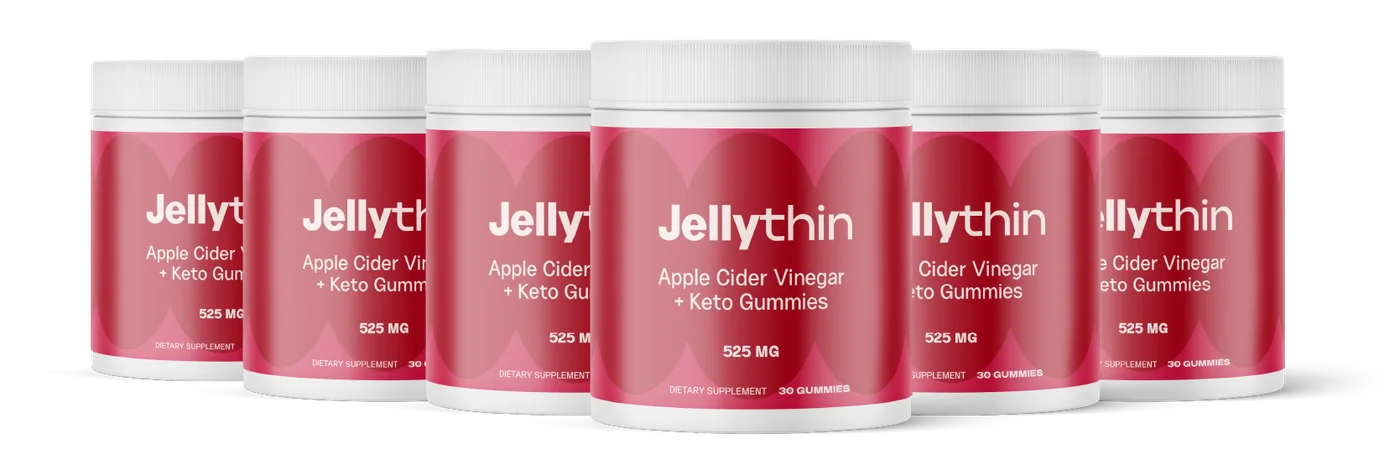
See the full blend on the label
The complete Supplement Facts transcription, the blend arithmetic and today's official-store pricing — on one page.
Get OfferRelated reading
- ACV Gummies and Blood Sugar: What Trials Show
- ACV Gummies for Appetite Control: Does It Work?
- Protein, Fiber and Appetite Hormones Explained
- Metabolism-Boosting Myths, Debunked
Frequently asked questions
Does chromium picolinate reduce sugar cravings?
Sometimes, in some people. A handful of trials in people with atypical depression or binge-eating patterns reported fewer carbohydrate cravings on chromium, but other studies found no effect at all. The honest reading is that it may help a subset of people modestly, and it is not reliable enough to call a craving cure.
How much chromium is in a typical gummy?
It varies, and many gummies hide the exact amount inside a proprietary blend. When it is disclosed, a serving often supplies somewhere between 20 and 200 mcg. That can be a useful nutritional amount, but it is frequently below the 200 to 1000 mcg per day used in the craving and blood-sugar research.
Is chromium picolinate safe to take daily?
For most healthy adults, daily chromium at typical supplement doses is generally considered safe, and it is a mineral the body needs in trace amounts. Very high long-term doses have been questioned, and anyone with kidney or liver problems, or who takes diabetes or thyroid medication, should check with a doctor first.
Does chromium help with blood sugar?
The evidence is mixed. Chromium is involved in how insulin works, and some trials in people with type 2 diabetes have shown small improvements in fasting glucose or HbA1c, while others show nothing. Any benefit tends to be modest and it is not a substitute for prescribed treatment or a balanced diet.