ACV Gummies for Appetite Control: Does It Work?
Do ACV gummies actually control appetite?
The effect is small and inconsistent. Acetic acid can slow how fast the stomach empties, which may modestly increase fullness after a meal, but a 2022 review of seven studies found appetite results that varied and little long-term weight impact. Protein and fiber regulate hunger hormones far more reliably than any gummy.
- Plausible mechanism: slower gastric emptying can make a meal feel more filling.
- Weak evidence: appetite effects in trials are inconsistent and usually short-term.
- Reliable lever: protein and fiber move hunger hormones more than acetic acid does.

"Curbs your appetite" is one of the most repeated claims in the ACV gummy market, and it is the one most worth examining, because appetite really is central to weight management. If a gummy could reliably make you eat less without willpower, that would matter. The honest reading of the research is more restrained: there is a plausible mechanism, a scattering of supportive findings, and a review of the evidence that lands on "inconsistent."
That does not make ACV useless. It makes it a small, uncertain lever next to two much larger and better-established ones. Understanding the difference is what keeps expectations — and spending — proportionate.
The mechanism that makes it plausible
The appetite claim rests on the same action behind vinegar's blood-sugar effect: acetic acid appears to slow gastric emptying. That glucose effect is the better-evidenced half, as what the vinegar blood-sugar trials show sets out. Food leaves the stomach more slowly, so the stomach stays fuller for longer after a meal, and that fullness is part of how the body decides it has eaten enough. On paper, slower emptying plus a flatter glucose curve is a reasonable recipe for feeling satisfied a little longer.
There is also older, weaker speculation about acetic acid influencing appetite-related signaling more directly. That idea is far less established, and most of the appetite story sensibly comes back to the mechanical effect of a slower-emptying stomach. Crucially, all of it depends on taking the vinegar with food — it acts on the meal, not on an empty stomach.
What the review actually found
When the appetite claim is tested across studies rather than cherry-picked from one, it weakens. A 2022 review that pooled seven studies on vinegar and appetite reported inconsistent effects: some trials found a small reduction in hunger or intake, others found nothing meaningful, and the effect on longer-term body weight was slight at best. That is the pattern of a real-but-minor effect, not a reliable appetite suppressant.
This is the crux. An individual study quoted in an advert can be genuinely positive. But when you line them up, the signal does not hold steady, and the long-term weight impact — the thing people actually care about — is small. A trustworthy summary is "sometimes a little, often not much, rarely for long."
One supportive study is a headline. Seven studies pointing in different directions is the truth. The market prefers the headline.
Why the results are so mixed
Several things make these trials hard to compare, and each helps explain the inconsistency:
- Dose. Many appetite studies used tablespoons of liquid vinegar — far more acetic acid than a gummy delivers — so gummy results may be weaker still.
- Format. Liquid vinegar, capsules and gummies are not interchangeable; taste and delivery change the response.
- Meal type. Slower gastric emptying matters more with a big starchy meal than a small one, so the test meal shifts the result.
- Measurement. "Appetite" is usually self-rated on a scale, which is noisy and easily influenced by expectation.
The nausea confound
There is one more reason to be cautious about positive appetite findings. Vinegar, especially in larger doses, can cause mild nausea, and nausea reduces appetite (MedlinePlus: Herbs and Supplements). A study that measures "ate less" cannot always separate genuine, comfortable satiety from a faint queasiness that puts you off your next meal. Eating less because you feel slightly unwell is not a benefit anyone should aim for, and it is not sustainable.
The gummy format tends to reduce this — it is a smaller, gentler dose than a shot of liquid vinegar — but that same gentleness means whatever real appetite effect exists is likely smaller too. You cannot have the mildness and the maximal effect at once.
What actually regulates appetite
If appetite control is the goal, the evidence points firmly at two levers that dwarf acetic acid: protein and fiber. We go through both in detail in how protein and fiber steer your appetite hormones.
Protein is the most satiating macronutrient. It raises the release of fullness-signaling hormones and consistently reduces how much people eat later in the day (MedlinePlus: Dietary Proteins). Building meals around an adequate protein serving does more for hunger than any gummy on the market.
Fiber works mechanically and hormonally: it slows digestion, adds bulk that stretches the stomach, and feeds gut bacteria that produce their own satiety signals. Soluble fiber in particular is well-evidenced for blunting appetite between meals (MedlinePlus: Dietary Fiber).
Two unglamorous factors belong here too. Poor sleep reliably increases hunger and cravings the next day, and irregular, chaotic meal timing makes appetite harder to read. If your meal timing is deliberate rather than chaotic, our piece on taking ACV gummies around an intermittent-fasting window covers where the gummy belongs. Fix those, anchor meals with protein and fiber, and you have addressed appetite at the levers that actually move it.
A realistic way to use an ACV gummy
None of this means an ACV gummy has no place. Used honestly, it is a minor add-on: taken with your largest carbohydrate meal, it may contribute a small amount of extra fullness on top of a meal that is already built for satiety. The mistake is inverting that order — relying on the gummy for appetite control while the meal itself is low in protein and fiber.
- Build the meal first: protein and fiber do the heavy lifting.
- Take the gummy with that meal if you want the small potential add-on.
- Do not increase the dose chasing a bigger effect; more vinegar mostly means more risk of nausea and reflux.
- Judge the result by how you actually eat over weeks, not by a single less-hungry afternoon.
So does an ACV gummy control appetite? Sometimes, a little, and not reliably. The mechanism is real but modest, the trial evidence is mixed, and part of any effect may be mild nausea rather than true satisfaction. If you want a lever that consistently moves hunger, it is protein, fiber and sleep — not acetic acid. Treat the gummy as a small optional extra on top of an eating pattern that is already doing the real work, and you will have it in exactly the right proportion.
See the dose before you judge the claim
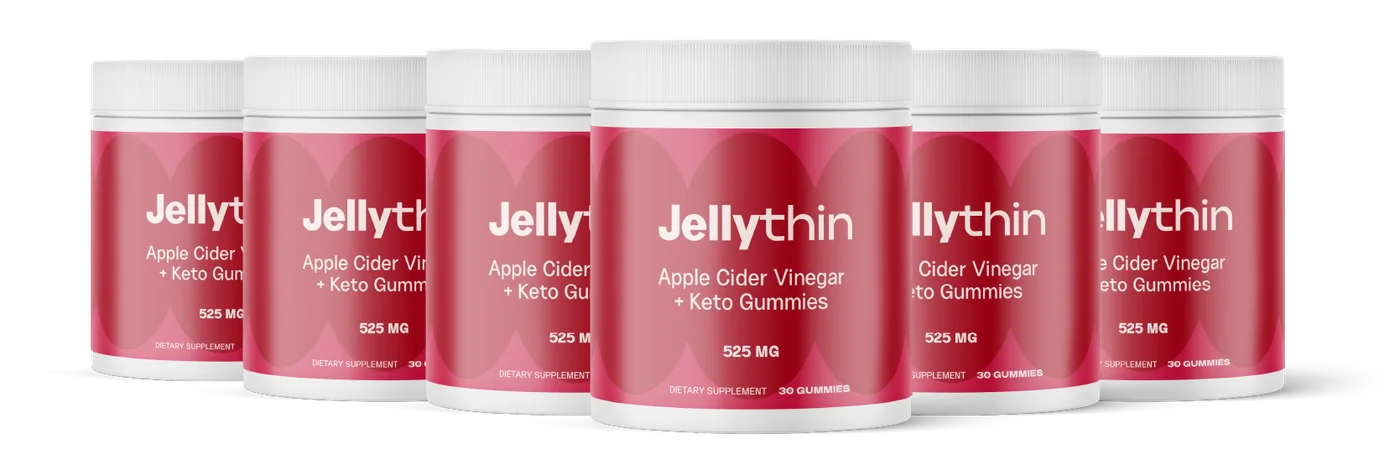
The full Supplement Facts transcription, the per-gummy vinegar arithmetic and today's official-store pricing — on one page.
Get OfferFrequently asked questions
Do ACV gummies reduce hunger?
For some people, slightly and temporarily. The proposed mechanism - slower stomach emptying - can make a meal feel more filling, but trial results are inconsistent and the effect, when present, is modest. There is no strong evidence that ACV gummies meaningfully reduce daily calorie intake or cravings on their own.
How does acetic acid affect appetite?
Its main appetite-related action is slowing gastric emptying, so food stays in the stomach longer and can prolong the sense of fullness after eating. Some early research also suggested effects on appetite-related signaling, but this is less established. Any effect depends on taking it with a meal, since it acts on that meal.
Why are appetite study results mixed?
Studies differ in dose, form, meal type and how they measured fullness, which makes them hard to compare. Some used vinegar amounts far larger than a gummy provides. Part of any reported appetite drop may also come from mild nausea rather than genuine satiety, which is not a benefit worth chasing.
What works better than ACV for cravings?
Protein and fiber have far stronger, more consistent evidence for controlling hunger. Protein increases satiety hormones and reduces later intake; fiber slows digestion and adds bulk. Adequate sleep and steady meal timing also help. ACV, at best, is a minor addition on top of those levers, not a replacement for them.