ACV Gummies and Blood Sugar: What Trials Show
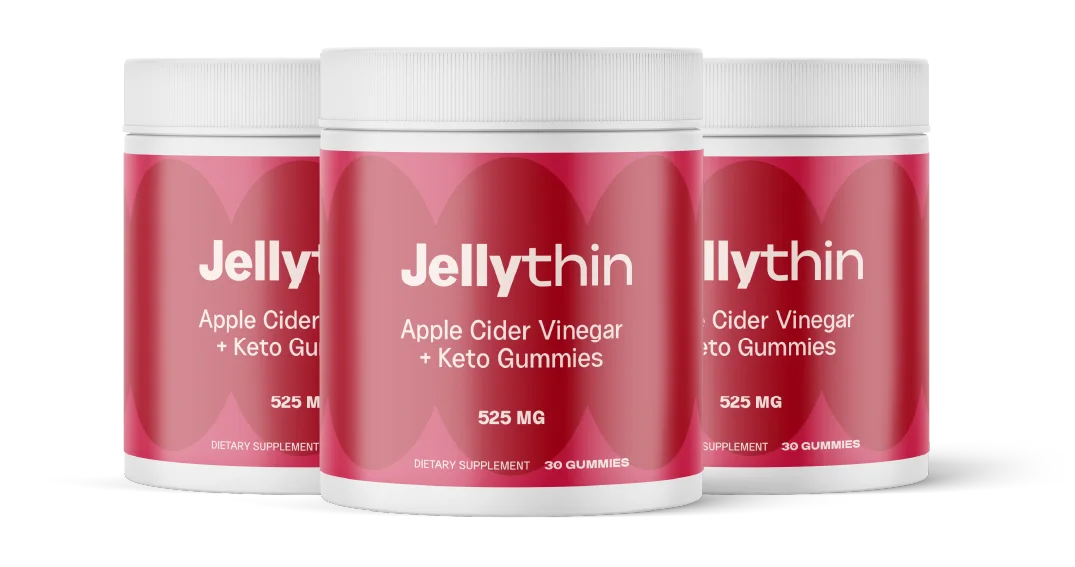
What do trials show about ACV and blood sugar?
Recent meta-analyses find apple cider vinegar modestly lowered fasting glucose and, in some trials, HbA1c, largely because acetic acid slows gastric emptying and blunts the post-meal spike. Studies used about 15 to 30 ml before meals. Results are inconsistent and small, effects on weight are weaker still, and vinegar is not a diabetes treatment or a substitute for medical care.
- Best supported: a lower glucose rise after a starchy meal.
- Studied dose: 15 to 30 ml of liquid, with or before meals.
- Not a treatment: talk to a doctor if you manage diabetes.
Why acetic acid affects the glucose curve
Apple cider vinegar is roughly 5 percent acetic acid, and acetic acid is the whole story here. The mechanism with the most support is delayed gastric emptying: when vinegar is present, food leaves the stomach more slowly, so the glucose from a carbohydrate-rich meal trickles into the bloodstream rather than flooding it. A lower, flatter glucose peak follows, and with it a gentler insulin response (Johnston 2004, PubMed 14694010). A secondary proposal is that acetic acid interferes slightly with the enzymes that break starch down in the gut, producing a similar net result.
Both explanations lead to the same practical rule, and it is the rule almost every study follows: the vinegar has to be taken with or shortly before the carbohydrate. Taken hours away from food, there is nothing for it to act on. This single fact explains a lot of the inconsistency in the literature and a lot of disappointed users who took a gummy at the wrong time. Our walk-through of the best time of day to take keto ACV gummies turns that finding into an actual routine.
What the meta-analyses actually found
Pooled analyses of the vinegar trials converge on a modest, real signal. Across studies, apple cider vinegar was associated with small reductions in fasting blood glucose, and in some analyses a small drop in HbA1c — the marker that reflects average blood sugar over the previous couple of months (Kondo 2009, PubMed 19661687). The most reliable and repeatable finding remains the post-meal one: a meaningfully lower glucose response when vinegar is taken alongside a starchy meal, seen across healthy adults, people with insulin resistance, and people with type 2 diabetes.
Two honest qualifications sit next to that. First, the fasting-glucose and HbA1c effects are smaller and less consistent than the single-meal effect, and not every review finds them. Second, effects on body weight are weaker still; vinegar's reputation was built on the glucose curve and then borrowed by the weight-loss market, and the borrowing is where the exaggeration crept in. On blood sugar, the science is defensible. On melting fat, it is not.
The strongest, most repeatable finding is the least dramatic one: vinegar flattens the glucose spike from a single starchy meal.

The dose the studies used
Nearly all of this research uses 15 to 30 ml of liquid vinegar per day — one to two tablespoons, diluted, taken with or just before meals. At 5 percent acetic acid, 15 ml delivers roughly 750 mg of the active compound. That is the benchmark any vinegar product should be measured against, and it is where gummies usually come up short: a typical gummy contains a few hundred milligrams of vinegar solids at most, before you account for everything else in the blend.
This is not a reason to write the format off. Liquid vinegar has genuine compliance problems — it tastes unpleasant, it is hard on teeth and it irritates the throat — and a smaller dose you take every day beats a larger one you quit within a week. But a gummy is a smaller intervention than the trials studied, and the honest expectation is a smaller effect. Timing helps you get the most from whatever dose you take: with, or just before, your most carbohydrate-heavy meal.
Why the results vary so much
Anyone reading across the studies notices the scatter, and it has straightforward causes rather than a hidden flaw:
- Dose and timing differ. Some studies gave vinegar with meals, some between them; some used more, some less. The mechanism is timing-dependent, so this alone moves results.
- Participants differ. A person with poor glucose control has more room to improve than a healthy person with a flat baseline.
- Meals differ. Vinegar acts on carbohydrate, so a high-starch test meal shows a bigger effect than a low-carb one.
- Studies are small and short. Small samples make random noise louder, and a genuinely small effect is easy to miss or overstate in any single trial.
Put a small, real, condition-dependent effect through that many different setups and mixed results are exactly what you would predict. The scatter is a feature of studying something modest, not proof it does nothing.
If you have diabetes, read this part twice
The same property that makes vinegar interesting makes it something to clear with a professional. If you take insulin or an oral glucose-lowering drug such as metformin, a substance that also lowers glucose can stack with your medication and, in principle, push blood sugar too low. That is a conversation for your prescriber, not an experiment to run alone (MedlinePlus: Herbs and Supplements). Gummies add a second wrinkle: many contain added sugar to taste good, which partly works against the point and matters for anyone counting carbohydrate.
None of this means vinegar is dangerous for most people. It means blood-sugar management is a medical matter, and a food-based nudge does not change that. Vinegar is not a diabetes treatment, it does not replace monitoring or medication, and it is not a reason to change a prescribed plan without medical advice.
A fair way to use it
Apple cider vinegar is a small, cheap, reasonably well-evidenced way to soften the glucose spike from a carbohydrate meal. Taken with or just before your largest starchy meal, as part of an eating pattern already heading in a sensible direction, it is a defensible habit. The weight-loss side of the same literature is summarised in what the apple cider vinegar trials actually found, and the fullness claim in ACV gummies for appetite control. A gummy trades dose for convenience and gentleness, which is a fair trade as long as you keep expectations proportional. Where it disappoints is exactly where it was oversold: as a weight-loss shortcut, or as anything resembling a treatment. Held as a minor supporting habit, the trials are on its side. Held as the whole plan, they are not.
See the ACV dose on the label
The full Supplement Facts transcription, the blend arithmetic and today's official-store pricing — on one page.
Get OfferRelated reading
- Chromium Picolinate and Carb Cravings Explained
- ACV Gummies for Appetite Control: Does It Work?
- Best Time to Take Keto ACV Gummies
- Do Keto ACV Gummies Actually Burn Belly Fat?
Frequently asked questions
Does apple cider vinegar lower blood sugar?
In several trials, yes, but modestly. The most consistent finding is a lower blood-glucose rise when vinegar is taken with or before a starchy meal, and some studies report small drops in fasting glucose and HbA1c over weeks. The effects are real but small, they vary between studies, and vinegar is not a treatment for diabetes.
How much ACV was used in blood sugar studies?
Most studies used about 15 to 30 ml of liquid vinegar per day, roughly one to two tablespoons, diluted and taken with or just before meals. At 5 percent acetic acid, 15 ml supplies around 750 mg of the active compound. Many gummies deliver far less than this, so they represent a smaller dose than the research.
Can diabetics take ACV gummies?
Only after talking to their doctor. Vinegar can add to the glucose-lowering effect of medications like insulin or metformin, which could push blood sugar too low. Gummies may also contain added sugar. It is not a replacement for prescribed treatment, blood-sugar monitoring, or medical advice for anyone managing diabetes.
Why do study results vary so much?
Because the studies differ in almost every way that matters: dose, timing, the health of the participants, the type of meal, and study length. Small sample sizes make the noise louder, and the effect itself is small to begin with. When a real but modest effect is measured under very different conditions, mixed results are exactly what you would expect.