Do Keto ACV Gummies Actually Burn Belly Fat?
Do keto ACV gummies actually burn belly fat?
No supplement burns belly fat directly, because spot reduction is not physiologically possible. Belly and visceral fat fall only as part of overall fat loss, usually over six to twelve weeks in a calorie deficit. ACV and BHB gummies may offer modest glucose and appetite support, not targeted fat burning.
- Spot reduction is a myth: nothing aims fat loss at your midsection.
- Visceral fat falls with total fat: expect visible change over 6–12 weeks.
- The gummy's role is small: a modest glucose and appetite nudge, not a fat burner.
The honest headline first
It is worth saying plainly before anything else: no keto ACV gummy burns belly fat, because nothing burns belly fat on its own. Fat loss is a whole-body process driven by an energy deficit, and where the fat comes off is decided by your genetics and hormones, not by which supplement you took or which muscle you exercised. A product can, at best, make the deficit that drives fat loss slightly easier to hold. That is the ceiling, and everything sold above it is marketing.
That does not make these gummies pointless. It means the useful question is not “does it torch belly fat” but “does it offer a small, real support to the process that reduces belly fat as a side effect of reducing all your fat.” The answer to that is a modest, qualified yes — and the qualifications are the whole story.
Spot reduction is a myth
The belief that you can burn fat from a specific area — with a targeted food, a targeted supplement or targeted crunches — is called spot reduction, and it has been tested and dismissed repeatedly. When you train a muscle, you do not preferentially draw fat from the skin above it; studies comparing worked and unworked sides of the body find no local fat-loss advantage. The same logic applies to a gummy: there is no delivery route by which acetic acid or a BHB salt could decide to act on your abdomen rather than your arms.
What fat loss actually looks like is a general drawdown across your whole fat mass, in an order your body sets. For many people the belly is where fat arrives first and leaves last, which is exactly why it feels so stubborn and why it is such fertile ground for products promising to target it.
You cannot choose where fat leaves any more than you can choose where it arrives. The body keeps that decision to itself.
Why belly fat behaves the way it does
Abdominal fat comes in two forms: the subcutaneous fat you can pinch, and the deeper visceral fat packed around the organs. Visceral fat is metabolically active and is the part most worth reducing for general health, but neither type responds to targeting (NIDDK: Weight Management). Both shrink as your total body fat declines, and the abdomen often lags behind other areas because of how fat is distributed and mobilised — a pattern shaped by genetics, sex hormones and age.
The practical upshot from our timeline work is consistent: visible belly change usually takes six to twelve weeks of a sustained deficit, and the scale can understate it. A tape measure at the waist, taken every couple of weeks under the same conditions, is a better instrument for this region than body weight alone. Our timeline piece, how long before ACV gummies show any weight results, sets out what to expect week by week, and water weight versus fat loss explains why the first fortnight lies to you.
What ACV actually signals
Strip away the belly-fat framing and apple cider vinegar has a small, genuine story. Its best-supported effect is a lower rise in blood glucose after a starchy meal when taken with or before it, and some people report a modest reduction in appetite alongside that (Östman 2005, PubMed 16015276). Both effects are real and both are small, and both were measured with liquid doses of 15 to 30 ml — considerably more acetic acid than a typical gummy delivers.
How does that connect to fat? Only indirectly. A gentler glucose curve and slightly less appetite can make a calorie deficit marginally easier to maintain, and it is the deficit, held over weeks, that reduces fat — belly included. That is the entire mechanism, and it is a support role, not a fat-burning one. Nothing here diagnoses, treats or prevents any condition.

The BHB energy claim, sized honestly
The “keto” half of the name usually points to beta-hydroxybutyrate (BHB) salts, sold on the idea that exogenous ketones give you energy and help burn fat. Here the arithmetic matters more than the adjective. Research that meaningfully raises blood ketones with exogenous salts or esters typically uses doses of around 10 to 12 grams per serving (Newman & Verdin 2017, PubMed 28826372). The BHB in a gummy, once you work back from the declared minerals, is usually in the range of tens of milligrams — two to three orders of magnitude lower.
At that dose there is no reasonable expectation of raised blood ketones, extra energy or added fat burning. And importantly, exogenous ketones are not how your body burns stored fat in the first place: your own liver produces ketones from your fat when you are in a deficit. Swallowing a few milligrams of a ketone salt does not add to that process in any measurable way. You can work out how many milligrams are really there using the method in how much BHB is in a keto gummy.
What actually reduces visceral fat
- A sustained calorie deficit. The one non-negotiable lever. Everything else is support.
- Adequate protein. Preserves muscle in a deficit and improves satiety, so more of the loss is fat.
- Resistance training and daily movement. Protects muscle, raises energy expenditure and is consistently linked to lower visceral fat.
- Sleep and limited alcohol. Poor sleep and regular drinking both undermine appetite control and adherence.
Visceral fat tends to respond well to these basics — often earlier than subcutaneous fat, even if the mirror is slower to show it. A supplement can ride alongside this plan; it cannot replace any line of it.
A realistic six-to-twelve-week view
If you want belly change, build the plan around the deficit and the movement, add protein and sleep, and treat the gummy as a minor helper taken before your largest carbohydrate meal. Track your waist as well as your weight, judge the trend over weeks rather than days, and expect the abdomen to be among the later areas to visibly respond. Aim for a sustainable rate of roughly one to two pounds of loss per week; faster is mostly water and muscle, and it rarely stays gone.
Held this way, the gummy is a small, honest part of a process that works — not because it burns belly fat, but because it makes the thing that does a little easier to keep doing.
Holding it honestly
Keto ACV gummies do not target, melt or burn belly fat, and any product that says otherwise is selling a myth. What they can offer is a modest glucose and appetite nudge that supports a calorie deficit, and the deficit is what reduces fat everywhere, abdomen included, over a couple of months. If you take medication or have a health condition, speak with your doctor before starting. Buy the gummy for the small, real thing it does — and put your effort where the results actually come from.
Related reading
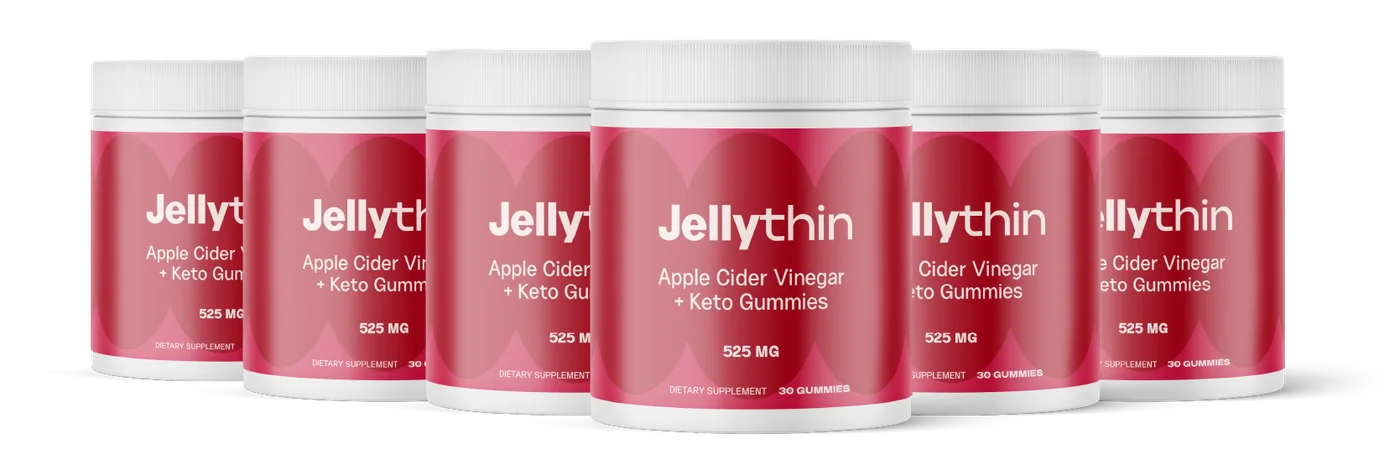
See the label this was written from
The full Supplement Facts transcription, the BHB arithmetic and today's official-store pricing — on one page.
Get OfferFrequently asked questions
Can ACV gummies target belly fat specifically?
No. No food, supplement or exercise can direct fat loss to one area, a myth known as spot reduction. Belly fat only shrinks as your total body fat falls. ACV gummies may gently support a calorie deficit, but they cannot aim at your midsection any more than a sit-up can.
Why does belly fat take longer to lose?
Abdominal fat, including the deeper visceral fat, tends to be mobilised later than fat in some other areas, and it often accumulates first. Genetics and hormones influence the order in which you lose it. For most people it becomes visibly smaller only after several weeks of sustained overall fat loss.
Do BHB ketones help burn stored fat?
The BHB in most gummies is present in tiny milligram amounts, far below the multi-gram doses used in research, so it is unlikely to raise blood ketones or drive fat burning. Your own liver makes ketones from stored fat when you are in a deficit; a small BHB salt dose does not add to that meaningfully.
What actually reduces visceral fat?
A sustained calorie deficit is the main lever, supported by adequate protein, regular movement including resistance training, decent sleep and limited alcohol. Visceral fat often responds well to these basics. Supplements sit at the margins; no pill or gummy substitutes for the deficit that does the actual work.