Water Weight vs Fat Loss in the First Weeks
Is early weight loss just water weight?
Yes — most of the scale drop in the first week or two is water, not fat. Cutting carbs empties glycogen, and each gram of glycogen holds roughly three grams of water. Genuine fat loss becomes visible around weeks three to four at one to two pounds per week.
- Fast and reversible almost always means water; slow and steady means fat.
- Roughly 3,500 calories is the deficit behind a single pound of fat — it cannot vanish in a day.
- Track the trend, not the morning: a weekly average plus a waist tape beats any single weigh-in.
Why the scale drops so fast at first
Start almost any diet — low-carb, keto, a juice cleanse, or just eating less — and the scale rewards you within days. Three, five, sometimes eight pounds in the first week. It feels like proof the plan is working, and in a sense it is, but not in the way the number implies. Very little of that early drop is body fat. The overwhelming majority is water.
The mechanism is glycogen. Your muscles and liver store carbohydrate as glycogen, a branched sugar that acts as your quick-access fuel tank. Glycogen is not stored dry: every gram is bound up with roughly three grams of water (MedlinePlus: Carbohydrates). A typical adult carries somewhere between 400 and 600 grams of glycogen when fully stocked. When you cut carbohydrate, your body draws that fuel down, and the water it was holding is released and excreted. Do the arithmetic and you get several pounds of water leaving in the first few days, entirely independent of fat.
This is why low-carb and ketogenic starts produce the most dramatic opening numbers. They empty glycogen faster and more completely than a moderate-carb deficit, so the water flush is bigger. It is also why people who "cheat" for a weekend see the scale jump back up: refill glycogen, refill the water, and the number climbs even though no fat returned. The same fluid shift, running in the other direction, is what produces the symptoms in keto flu and how to avoid it.
What is actually leaving your body
In the opening fortnight, the weight on the move is mostly water, plus a small amount of the food and fibre residue sitting in your digestive tract if your eating volume dropped. There is a fat contribution too, but it is modest and it is buried under the much larger water signal. That is the honest picture: a big, encouraging number made almost entirely of a fluid you will partly regain the moment your carbohydrate intake changes.
Sodium plays a supporting role. Diets that cut processed food usually cut sodium sharply at the same time, and lower sodium means the body holds less water. Cutting carbs also lowers circulating insulin, and insulin nudges the kidneys to retain sodium; when it falls, the kidneys let more sodium and water go. Both effects push in the same direction during week one, which is why the early loss can be so steep and so quickly reversed.
Water weight is not fake weight — it is on the scale and it is really gone. It just is not the thing you are trying to lose, and it does not stay gone.
The rebound that panics people
Here is the sequence that derails more diets than any other. Week one: the scale plummets, motivation soars. Week two: the drop slows. Week three: after one social meal, a salty restaurant dinner, or simply eating a normal amount of carbohydrate, the scale jumps up two or three pounds overnight. It feels like the diet broke, or worse, like the fat came flooding back.
It did not. No one eats 7,000 to 10,000 calories over dessert, which is what regaining two or three pounds of actual fat would require. What came back is water — glycogen refilled, sodium topped up, digestive contents restored. Give it two or three days of returning to plan and it flushes out again. Understanding this in advance is genuinely protective, because the false rebound is when people quit, precisely at the point real fat loss is about to become visible.
When real fat loss shows up
A pound of body fat represents roughly 3,500 stored calories (NIDDK: Weight Management). To lose it you have to run an energy deficit of about that size, and there is no shortcut around the number. A sustainable deficit of 500 to 1,000 calories a day yields something in the region of one to two pounds of fat per week. That is the rate the evidence and the arithmetic both point to, and it is slow on purpose.
Because the water drop happens first and the fat loss accrues quietly underneath it, the two often overlap in a confusing way. For the first two to three weeks the scale is dominated by water. By around week three or four, the water shifts have mostly settled and the steadier downward slope of fat loss becomes the signal you can actually read. The full timeline is in how long before ACV gummies show any weight results, and the abdomen specifically in do keto ACV gummies burn belly fat. If you judge the whole thing by week one you will overestimate your progress; if you judge it by the week-three rebound you will underestimate it. The truth lives in the multi-week trend.
The stall that is not a stall
One more pattern is worth naming, because it fools careful people too. You can be losing fat steadily and see the scale sit flat for a week or even tick up, because water is masking the fat you lost. Stress, poor sleep, hard workouts, a higher-carb day, and for women the menstrual cycle all move water by a few pounds. Fat is still leaving; water simply refilled the space on the scale. Then the water releases — sometimes overnight — and the number drops several pounds at once. The fat came off gradually all along; only the water made it look like nothing, then everything.
Better ways to measure than the morning number
If the scale is this noisy in the short term, the fix is not to weigh obsessively — it is to measure things water cannot fake, and to smooth out the noise on the scale itself.
- Weekly averages. Weigh daily under the same conditions if you like, but judge progress on the seven-day average, not any single reading. The average cancels out most of the water swing.
- Waist circumference. A tape measure around the navel, taken weekly, tracks fat far more faithfully than weight. Water does not meaningfully change your waist; lost fat does.
- Photos. Monthly photos in the same lighting and pose reveal changes the scale hides, especially when you are gaining a little muscle while losing fat.
- How clothes fit. Unglamorous but honest. A waistband loosening is body composition changing, regardless of what the scale says that morning.
Combine a weekly weight average with a waist measurement and you have a read that is almost immune to the water noise that wrecks motivation in the first month.
Where a gummy honestly fits
It is worth being straight about the ceiling here. No apple-cider-vinegar or BHB gummy changes the calorie arithmetic, and none of them turn water weight into fat loss. What the vinegar in a product like this has, at best, is a small, well-documented effect on the post-meal glucose curve, and a daily ritual some people find helps them stay consistent (Johnston 2004, PubMed 14694010). Consistency, not any single ingredient, is what actually moves fat over weeks. A gummy is a minor support at the edges of a plan — useful only if the deficit, the protein and the sleep underneath it are doing the real work. Nothing here is intended to diagnose, treat, cure or prevent any condition; it is a food supplement, and the honest expectation is a modest one.
A realistic first-month timeline
Holding the whole pattern in your head at once makes it far easier not to panic at the wrong moment. Here is roughly how a sensible first month unfolds for many people, with the caveat that individual variation is large and none of this is a promise.
- Week one: a fast drop of several pounds, mostly water leaving as glycogen empties. Encouraging, but not a measure of fat lost. Do not extrapolate this rate forward.
- Week two: the drop slows sharply as the water flush finishes. This deceleration is normal and expected, not a sign the plan failed.
- Week three: often a wobble — a flat week, or a small rebound after a social meal or a salty day. This is water noise, not returning fat. It is also where most people quit.
- Week four and beyond: the steadier one-to-two-pound-per-week slope of genuine fat loss becomes the signal you can read on a weekly average, provided the deficit is real and consistent.
The single most useful mindset shift is to stop treating the scale as a daily verdict and start treating it as one noisy input into a weekly trend. The people who succeed are rarely the ones who lost the most in week one; they are the ones who understood week three well enough not to abandon ship right before the part that counts.
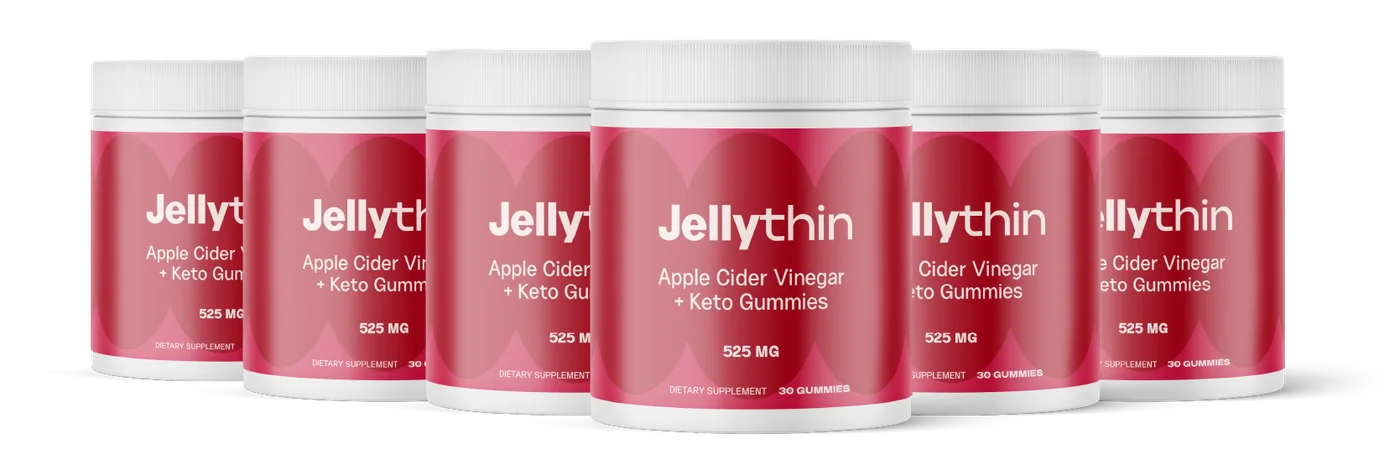
See what is actually in the jar
The full Supplement Facts transcription, the blend arithmetic and today's official-store pricing — on one page.
Get Offer
Frequently asked questions
Is early weight loss just water?
In the first one to two weeks, mostly yes. Cutting carbohydrate drains glycogen from your muscles and liver, and glycogen is stored with roughly three times its weight in water. When it goes, several pounds of water go with it, before you have lost a meaningful amount of body fat.
Why did I lose weight fast then stall?
The fast part was water leaving as glycogen emptied, which is a one-time drop. Fat loss is slower and steadier, so once the water is gone the scale appears to stop even though fat can still be falling. A single high-carb or high-sodium day can also refill water and hide progress for a week.
How do I tell water weight from fat loss?
Speed and reversibility are the tells. Water shifts happen in days and bounce back when carbs or salt return. Fat loss is gradual, around one to two pounds a week, and does not reverse overnight. A shrinking waist measurement over several weeks is fat; a scale that swings three pounds between mornings is water.
What are better ways to track progress?
Use a weekly average of daily weights rather than any single reading, and pair it with a waist measurement, monthly photos in the same lighting, and how your clothes fit. These markers ignore day-to-day water noise and show the trend that actually reflects fat loss.