Keto Flu: Why It Happens and How to Avoid It

What causes keto flu and how do you avoid it?
Keto flu is not an illness. Cutting carbs flushes water and electrolytes, and losing sodium, potassium and magnesium causes the headache, fatigue and brain fog. Prevent it by replacing those minerals and drinking enough water from day one. It usually clears within a few days to a week.
- Sodium first: the mineral you lose fastest and feel the most when you run low.
- Then potassium and magnesium, for cramps, sleep and steadier energy.
- Hydrate to match, because water without minerals can dilute you further.
What "keto flu" actually is
The name is misleading in a useful way. There is no virus, no infection and nothing contagious about keto flu. It is the cluster of symptoms — headache, tiredness, irritability, muscle cramps, light-headedness, brain fog and sometimes nausea — that some people feel in the first few days after cutting carbohydrate hard. It feels a little like the onset of a cold, hence the label, but the mechanism has nothing to do with your immune system and everything to do with fluid and minerals.
It also is not universal. Plenty of people cut carbs and feel nothing worse than a bit flat for a day. Others are flattened for the better part of a week. The difference usually comes down to how abruptly carbohydrate dropped, how much sodium the person was eating before, and whether they replaced electrolytes as the shift happened. Every one of those is something you can manage.
The chain of events, step by step
The same physiology behind the fast early scale drop is behind keto flu — it is the flip side of the same coin. We trace that drop in water weight versus fat loss in the first weeks. Here is the sequence.
- Carbs drop, insulin falls. Carbohydrate is the main driver of insulin. Cut it and circulating insulin declines within a day or two.
- Glycogen empties. Your muscles and liver draw down their stored carbohydrate, and the water bound to it — roughly three grams per gram of glycogen — is released.
- The kidneys flush sodium and water. Lower insulin signals the kidneys to excrete sodium rather than hold it, and water follows the sodium out.
- Potassium and magnesium go too. As fluid volume shifts and urine output rises, other electrolytes are lost alongside sodium.
- Symptoms appear. Low sodium and dehydration cause headache and light-headedness; low magnesium and potassium cause cramps, poor sleep and fatigue; the brain, adjusting to a new fuel mix, contributes the fog.
Read that list and the fix almost writes itself: if the problem is minerals and water leaving faster than you replace them, you replace them.
Keto flu is not the price of low-carb eating. It is mostly the price of low-carb eating without salt — and that part is optional.
How long it lasts
For most people the symptoms show up somewhere between day two and day four, peak briefly, and resolve within a few days to about a week. What is happening underneath is adaptation: your body is shifting from running mainly on glucose to running more on fat and the ketones made from it, and it is recalibrating how it handles sodium along the way. Once that settles, energy generally returns and often steadies out at a level people describe as more even than the carbohydrate roller-coaster they left behind. If genuinely severe symptoms persist well beyond a week, that is a reason to check in with a clinician rather than to push through.
The prevention that actually works: electrolytes
Because the cause is specific — loss of sodium, potassium and magnesium plus water — the prevention is specific too (MedlinePlus: Fluid and Electrolyte Balance). This is not a case where you have to tough it out. Addressing the electrolytes addresses the actual problem, not just the feeling of it.
- Sodium. This is the big one, and the one most people are afraid to add because they have spent years being told to cut it. On a low-carb diet, with insulin lower and the kidneys dumping sodium, needs go up rather than down for many people. Salting food to taste and adding a little extra — for example some broth — is the single most effective step. Common day-one guidance lands around three to five grams of sodium daily, but anyone with high blood pressure, kidney disease or heart conditions should get a personal number from their doctor rather than a blog.
- Potassium. Found in avocados, leafy greens, mushrooms, salmon and other whole foods. It supports normal muscle and nerve function, and topping it up helps with the cramps and fatigue. Potassium supplements are easy to overdo, so food is the safer route unless a clinician advises otherwise.
- Magnesium. Often low in the general population before anyone starts a diet, and lost faster on low-carb. It is tied to muscle relaxation, sleep quality and steady energy, so restoring it tends to help the cramps and restless nights specifically.
Hydration, done properly
Drinking more water helps, but water alone can backfire. If you flood your system with plain water while sodium is already dropping, you dilute your electrolytes further and can feel worse, not better. The trick is to hydrate with minerals, not instead of them: salt your food, consider a cup of broth, and if you use an electrolyte drink, pick one that actually contains meaningful sodium rather than a trace (MedlinePlus: Dehydration). Thirst is a reasonable guide, and pale-yellow urine is a rough sign you are in a sensible range.
Ease into it, and mind the timing
Two smaller levers help. First, a gentler carbohydrate taper over several days, rather than a cliff-edge from high-carb to near-zero overnight, gives the kidneys time to adjust and blunts the symptom peak. Second, expect exercise performance to dip during the adaptation window; going easy on hard training in the first week is sensible, and it also reduces electrolyte losses from sweat at exactly the wrong moment.
Do BHB gummies help — honestly?
This is where an honest supplement site has to hold two things at once. The beta-hydroxybutyrate in a keto gummy is a mineral salt: sodium BHB, calcium BHB or magnesium BHB. So by definition a BHB gummy delivers a little sodium, calcium and magnesium, which are three of the minerals in play here. What those salts actually are, and are not, is explained in exogenous versus endogenous ketones and in keto gummies versus an actual ketogenic diet. In that narrow sense it is not nothing.
But the amounts are the whole story, and they are small. A typical keto gummy carries milligrams of these mineral salts, while keto flu involves losing electrolytes on the scale of grams (NIH Office of Dietary Supplements: Magnesium). The gummy's contribution is a rounding error against the deficit. It may add a marginal top-up and a daily habit, and the apple cider vinegar alongside it has its own modest, separate literature — but a gummy does not prevent or resolve keto flu the way deliberate salt, minerals and water do. It is a food supplement, not a remedy, and nothing here is intended to diagnose, treat, cure or prevent any condition. If you want to feel good in week one, the electrolytes are the plan; the gummy is, at most, a small extra.
When it is not keto flu
Because "keto flu" is a convenient label, it is worth knowing where it stops applying, so you do not wave away something that deserves attention. The classic pattern is mild-to-moderate, appears in the first few days, and improves as you replace electrolytes and hydrate. That is the version this article is about.
Some things are not that. Sustained vomiting or an inability to keep fluids down, confusion, a racing or irregular heartbeat, fainting, or symptoms that keep worsening past the first week are not part of a normal adaptation, and pushing through them is the wrong instinct — they warrant a call to a clinician. People with diabetes, kidney disease, heart conditions or blood-pressure problems, and anyone on medication that affects electrolytes or fluid balance, should not self-manage a big dietary shift on the strength of a blog post; the sodium advice in particular can interact with their care. Pregnancy is another situation where major dietary changes belong in a conversation with a professional rather than a comment section.
None of this is a reason for alarm about ordinary low-carb eating, which most healthy adults tolerate well once the electrolytes are handled. It is simply the boundary line: mild and improving is keto flu, and the fixes above apply; severe, persistent or frightening is a signal to stop guessing and get proper advice. Knowing the difference is part of doing this sensibly.
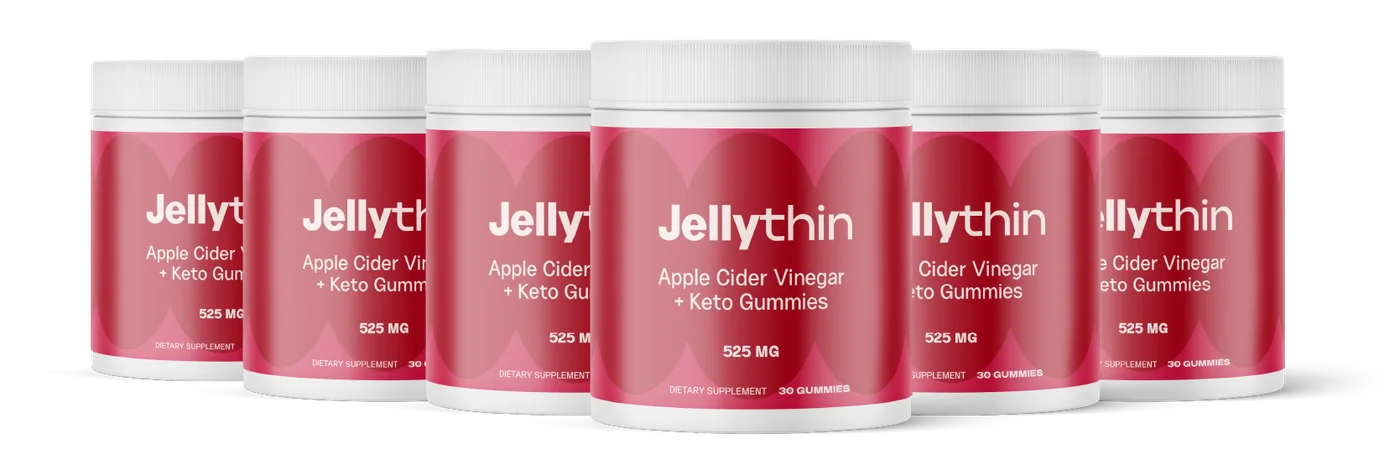
See the minerals on the panel
The full Supplement Facts transcription, how much of each BHB salt is really there, and today's official-store pricing — on one page.
Get Offer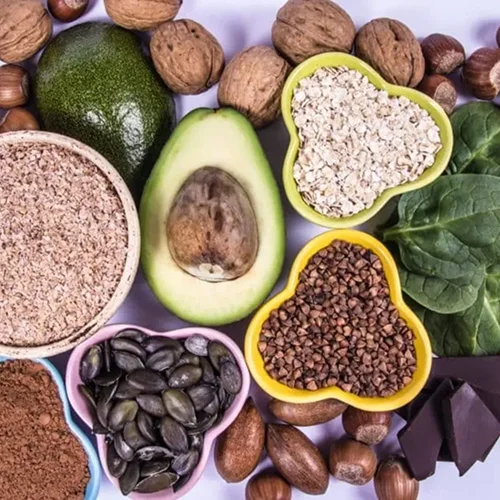
Frequently asked questions
What causes keto flu?
It is not an infection. When you sharply cut carbohydrate, insulin falls, glycogen empties, and the kidneys release the water and electrolytes that were held with it. The rapid loss of sodium, potassium and magnesium is what produces the headache, fatigue, cramps and brain fog people call keto flu.
How long does keto flu last?
For most people it appears within the first two to four days of cutting carbs and clears within a few days to a week as the body adjusts to using fat and ketones for fuel. Replacing electrolytes and staying hydrated tends to shorten it, and can prevent the worst of it entirely.
Can electrolytes prevent keto flu?
Largely, yes. Because the symptoms are driven by electrolyte and fluid loss, replacing sodium, potassium and magnesium and drinking enough water addresses the actual cause rather than just masking it. Many people who add salt and minerals from day one avoid meaningful symptoms altogether.
Do BHB gummies help with keto flu?
Only marginally. BHB in gummies is bound to sodium, calcium or magnesium, so it delivers a small amount of those minerals, which can help a little. But the doses are tiny compared with what you lose, and no gummy is a cure. Dedicated electrolytes and hydration do the real work.