ACV and Tooth Enamel: Gummies vs Liquid Safety

Are ACV gummies safer for your teeth than liquid vinegar?
Not simply safer — they swap risks. Liquid vinegar is acidic enough to erode enamel with repeated contact. Gummies dilute the acid but coat teeth in sugar and stick to the surfaces, feeding decay. Either way, rinse with water, wait before brushing, and keep exposure to mealtimes.
- Liquid risk: direct acid attack that softens and wears enamel over time.
- Gummy risk: sugar plus stickiness that fuels cavity-causing bacteria.
- Golden rule: never brush straight after — softened enamel scrubs away.
Why vinegar and teeth are a bad match
Tooth enamel is the hardest substance your body makes, but it has one clear weakness: acid. Enamel is built from mineral that begins to dissolve when the pH at the tooth surface drops below roughly 5.5 (MedlinePlus: Tooth Disorders). Apple cider vinegar, thanks to its acetic acid, typically measures somewhere around pH 2 to 3 — well under that threshold, and in the same acidic territory as many soft drinks and citrus juices. Put a strong acid against enamel often enough and the surface softens and gradually erodes. This is not a fringe worry; dental erosion from acidic diets and drinks is well documented, and neat vinegar is one of the more aggressive things people voluntarily swill around their mouths.
The damage is cumulative and quiet. A single exposure does not wreck a tooth. The problem is the person who takes a daily shot of undiluted vinegar for months, or worse, sips it slowly, bathing the teeth in acid over and over. Erosion shows up as thinning, sensitivity, a yellower look as the darker layer beneath shows through, and rounded or translucent edges. By the time it is obvious, enamel does not grow back.
The case for the gummy — and its catch
This is where gummies earn a genuine, if partial, point. A gummy is not a mouthful of neat acid. The vinegar in it is diluted and buffered within the gel, mixed with other ingredients, and the total acid load hitting your teeth in one chew is far gentler than a straight tablespoon. The single most dangerous dental habit — holding or sipping strong acid against the teeth — largely goes away. For enamel specifically, a gummy is easier on you than a shot glass of vinegar. We set the two formats side by side in our comparison of ACV gummies versus liquid vinegar, where dose and enamel pull in opposite directions.
The catch is that it introduces a different problem. Most weight-loss gummies are, functionally, sweets. They contain added sugar to be palatable, and they are sticky by design, which means they cling to the chewing surfaces and lodge in the grooves of your molars (FDA Dietary Supplement Labeling Guide). That does two unhelpful things: it feeds the bacteria that produce cavity-causing acid of their own, and it prolongs the time sugar sits in contact with your teeth. So the gummy trades a direct acid-erosion risk for a sugar-and-decay risk. It is not a clean win; it is a different bill. The size of that sugar bill is what our guide to hidden carbs in keto gummies works through, alias by alias.
The honest comparison is not "safe versus unsafe". It is one dental risk versus another — acid erosion from the liquid, sugar and stickiness from the gummy.
The mistake almost everyone makes: brushing too soon
If you remember one thing from this piece, make it this. After an acid hits your teeth, the enamel is temporarily softened — demineralised at the surface for a window of time. If you brush during that window, you are not cleaning your teeth so much as scrubbing away the softened top layer of enamel with your own toothbrush. It is one of the most counter-productive things a conscientious person can do, precisely because it feels responsible.
The fix is patience. After vinegar in any form, rinse your mouth with plain water to dilute and clear the acid, then wait. Saliva is remarkable at this: given thirty to sixty minutes it re-hardens the softened enamel by depositing minerals back onto the surface. Brush after that window, not before. Reaching for the toothbrush immediately undoes the protection your own saliva is trying to provide.
How to protect your enamel either way
You do not have to choose between vinegar and your teeth. Dose is part of the answer too, which is why how many ACV gummies per day is safe treats the label serving as a ceiling rather than a suggestion. A few habits make either format meaningfully safer.
- Dilute the liquid. Never take vinegar neat. Mix a tablespoon or two into a full glass of water. Dilution raises the pH at your teeth and is the difference between a mild exposure and an aggressive one.
- Use a straw. Drinking diluted vinegar through a straw routes most of the acid past your front teeth rather than washing over them.
- Rinse with plain water afterwards. A quick water rinse clears residual acid and helps saliva get to work faster.
- Wait to brush. Thirty to sixty minutes, every time. Then use a fluoride toothpaste, which supports enamel remineralisation.
- Keep it to mealtimes. One defined exposure is far kinder than sipping or grazing across the day, which keeps your mouth acidic for hours.
- For gummies, do not let them linger. Chew and clear them rather than sucking, and rinse with water after so sugar is not left sitting in the grooves of your teeth.
Who should be especially careful
Some people start with less margin. If you already have enamel wear, sensitivity, receding gums, dry mouth, or frequent reflux — which brings stomach acid up to meet whatever you are adding — the erosion risk stacks up faster, and daily acidic products deserve real caution. Children's teeth are more vulnerable too (MedlinePlus: Herbs and Supplements). None of this is medical advice, and it is not a diagnosis of anything; if you have existing dental problems or a condition affecting your mouth, your dentist is the right person to weigh this for your specific teeth before you make vinegar a daily habit.
The sensible way to hold it
Apple cider vinegar is not going to destroy your teeth from occasional, sensible use, and a gummy is genuinely gentler on enamel than swigging the neat liquid. But "gentler on enamel" is not the same as "good for your teeth", because the gummy brings sugar and stickiness of its own. The grown-up conclusion is simply to respect both risks: dilute the liquid, do not let the gummy loiter on your teeth, rinse, and never brush straight after. Do that and the dental cost of an ACV habit stays small. Ignore it, and it is the kind of quiet, cumulative damage you only notice once it is done. As always, this is a food supplement and nothing here is intended to diagnose, treat, cure or prevent any condition.
What early enamel wear actually looks like
Because erosion is gradual and painless at first, most people miss it until it is advanced. Knowing the early signs lets you catch a habit before it costs you. A few things to watch for, and to mention to your dentist if you notice them:
- New sensitivity to hot, cold or sweet foods, as thinning enamel leaves the layer beneath less protected.
- A yellower appearance, since the darker dentine underneath shows through as the translucent enamel thins.
- Rounded or translucent edges on the front teeth, and a slightly glassy look at the biting edges.
- Small dents or cupping on the chewing surfaces of the molars, where acid has worn shallow hollows.
The important point is that enamel does not regenerate. Unlike a cut on your skin, once the mineral is gone it does not grow back, so the entire game is prevention rather than repair. That is what makes the small habits worth the effort: they are not fussiness, they are the only lever you actually have.
It is also worth flagging the reflux overlap again, because it is easy to underestimate. If stomach acid is periodically reaching your mouth, your teeth are already meeting an acid far stronger than vinegar, and adding a daily acidic product on top compounds the exposure. Anyone in that situation should treat a vinegar habit with particular care and raise it with a dentist or doctor, rather than assuming the gummy format makes it a non-issue.
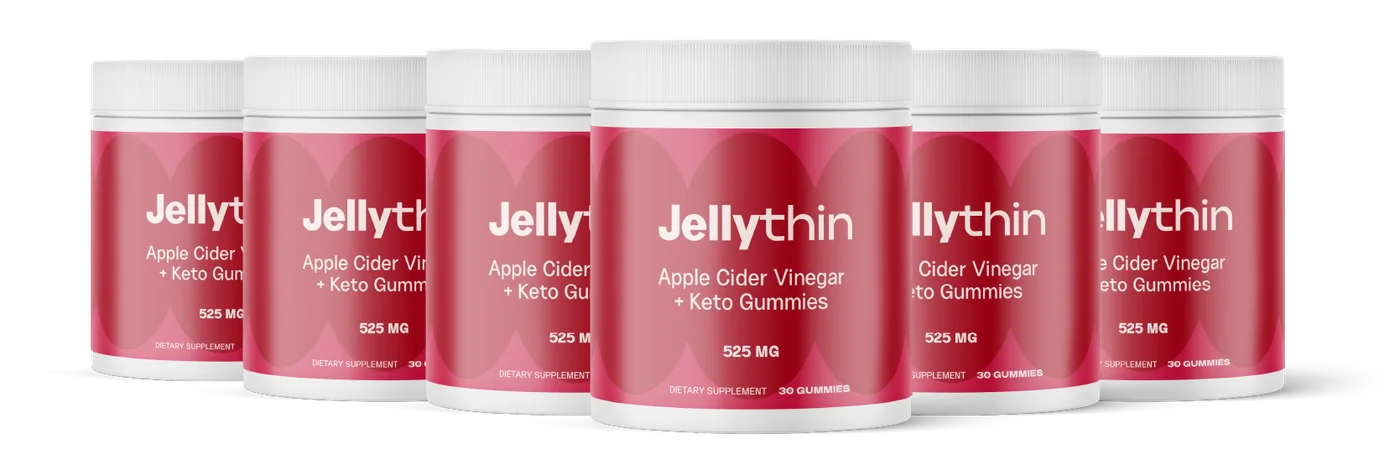
Check the sugar on the panel first
The full Supplement Facts transcription, the sugar and blend arithmetic and today's official-store pricing — on one page.
Get Offer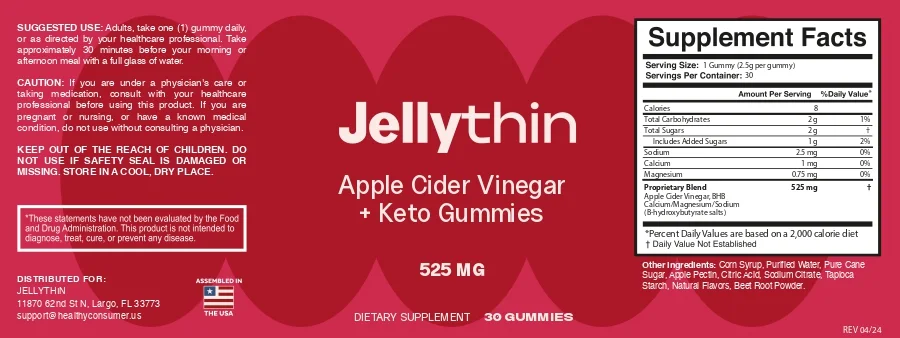
Frequently asked questions
Does apple cider vinegar damage tooth enamel?
It can. Vinegar is strongly acidic, typically around pH 2 to 3, and enamel begins to soften and dissolve below about pH 5.5. Repeated, undiluted or frequent exposure over time can erode enamel, especially if teeth are scrubbed while the surface is still softened by the acid.
Are ACV gummies safer for teeth than liquid?
They trade one risk for another. A gummy dilutes and buffers the acid, so the direct acid attack is gentler than sipping neat vinegar. But most gummies add sugar and stick to the chewing surfaces, feeding cavity-causing bacteria and prolonging contact. Neither format is truly kind to teeth.
Should I brush right after ACV?
No. Acid temporarily softens enamel, and brushing straight away can scrub away that softened layer. Wait at least thirty to sixty minutes so saliva can re-harden the surface, and rinse with plain water in the meantime rather than reaching for the toothbrush immediately.
How do I protect my teeth while taking ACV?
Dilute liquid vinegar in water, drink it through a straw, and rinse your mouth with plain water afterwards. Wait before brushing, use a fluoride toothpaste, and keep exposure to mealtimes rather than sipping all day. For gummies, do not let them sit on the teeth and rinse after.