ACV Gummies vs Liquid Vinegar: Which Actually Works?

ACV gummies vs liquid vinegar: which works better?
Liquid vinegar has the stronger research record because trials used 15 to 30 ml daily, delivering far more acetic acid than a typical gummy. Gummies win on convenience and tooth safety but often disclose no acetic acid milligrams and can add sugar. Match by label math, not marketing.
- Dose: a tablespoon of liquid is roughly 750 mg acetic acid; most gummies deliver a fraction of that.
- Teeth: gummies are gentler on enamel; liquid needs diluting and rinsing.
- Cost & sugar: liquid is cheaper per dose; gummies can hide added sugar.
They share one active ingredient
Whatever the format, the compound doing the work in apple cider vinegar is acetic acid — the same molecule at the same chemistry whether it arrives as a splash in a glass of water or folded into a pectin gummy. A standard bottle of liquid vinegar is about 5% acetic acid (MedlinePlus: Herbs and Supplements). That single number is the anchor for the entire comparison, because it lets you translate any format back into a common currency: milligrams of the thing that actually does something.
The reason this matters is that almost every headline about vinegar and weight comes from studies that used the liquid. When a gummy borrows that reputation, it is borrowing evidence collected at a dose it may not match. So the honest question is not “do gummies work?” in the abstract, but “does this gummy deliver enough acetic acid to reproduce what the liquid did?” Usually you cannot tell from the front of the jar, and often you cannot tell from the back either.
The dose gap is the whole story
Research on vinegar and blood glucose or body weight typically used 15 to 30 ml of liquid per day — one to two tablespoons, diluted, taken with meals. At 5% acetic acid, 15 ml delivers around 750 mg of acetic acid, and 30 ml doubles that. That is the benchmark. Everything else is measured against it.
A gummy, by contrast, is a small object with a lot of jobs to do: it has to taste good, hold its shape, and fit several ingredients into a couple of grams. The vinegar portion is usually a few hundred milligrams of vinegar solids at most, and vinegar solids are not pure acetic acid. Many products bury the vinegar inside a proprietary blend, which lists a combined weight but not how much of each component is present. The upshot is that a two-gummy serving can easily contain a small fraction of one tablespoon's worth of acetic acid while the label implies parity.
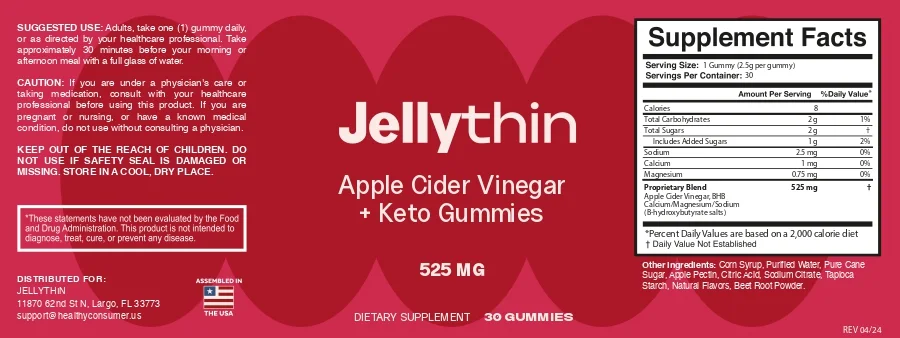
How to match them by label math
You can do the translation yourself in under a minute. Take the acetic acid or vinegar figure a gummy discloses per serving, and compare it to the 750 mg that one tablespoon of liquid provides. If a serving states, say, 500 mg of vinegar, remember that only a portion of that is acetic acid, so the real gap is wider than it looks. If the label gives you nothing but a blend weight, treat the comparison as unknowable and assume the dose is lower than the marketing suggests — that is the safer default, and it is usually the correct one.
None of this means the gummy is worthless. It means you should measure it against the trial doses collected in what the apple cider vinegar weight-loss trials found. It means you should buy it for its honest advantages — palatability, portability, no acid on your teeth — rather than for a dose it may not actually contain.
The liquid has the evidence and the low price. The gummy has the convenience and the kinder teeth. The mistake is assuming you get all four at once.
Enamel: the clearest win for gummies
This is where the formats genuinely diverge, and where the gummy has a defensible edge. The dental trade-off in both directions is set out in ACV and tooth enamel. Repeated exposure to acid erodes dental enamel, and enamel does not grow back (MedlinePlus: Tooth Disorders). Sipping neat or barely diluted vinegar bathes your teeth in acid; over months that shows up as sensitivity and softening. A gummy carries the acid in a buffered, chewable base that clears the mouth quickly, so the exposure is far lower.
If you prefer the liquid, the fix is simple and non-negotiable: dilute it in a full glass of water, drink it through a straw so it bypasses your front teeth, rinse with plain water afterwards, and do not brush for at least half an hour — brushing softened enamel accelerates the damage. Undiluted vinegar can also injure the throat and oesophagus, a rare but documented harm that the gummy format sidesteps entirely.
Cost, sugar and the hidden trade-offs
On price per dose, liquid vinegar is hard to beat: a large bottle costs little and lasts weeks. Gummies charge a premium for the format, and that premium buys you convenience rather than more active ingredient. If budget is the deciding factor, the liquid wins outright. Cloudy “with the mother” bottles cost a little more again, and we explain what the mother in apple cider vinegar actually is.
The catch that often goes unmentioned is sugar. To mask vinegar's sharpness, many gummies add sugar, glucose syrup or sugar alcohols. On a weight-management product this is worth reading closely, because a few grams of added sugar per serving quietly works against the reason you bought it. “Keto” on the label does not guarantee low sugar; check the nutrition panel for total and added sugars, and for sugar alcohols if you are tracking carbohydrates. A genuinely low-sugar gummy exists, but you have to verify it rather than assume it.
Appetite and blood sugar: what actually transfers
The most reproducible finding for vinegar is a smaller rise in blood glucose after a starchy meal, and some people report modestly reduced appetite alongside it (Östman 2005, PubMed 16015276). Both effects were measured with liquid taken with or just before food, and both depend on timing rather than magic. In principle a gummy taken before a meal offers a smaller version of the same signal — smaller because the dose is smaller. It is reasonable to expect a nudge, not a switch, and only if the gummy carries a meaningful amount of acetic acid in the first place.
Neither format is a weight-loss treatment, and nothing here diagnoses, treats or prevents any condition. If you take insulin or a glucose-lowering medication, raise vinegar with your prescriber first, because something that lowers post-meal glucose can stack with a drug that does the same thing.
So which should you choose?
Choose the liquid if your priority is the strongest evidence and the lowest cost, and you are willing to protect your teeth and tolerate the taste. Choose the gummy if convenience and enamel safety matter more, you accept a smaller and often undisclosed dose, and you have checked the sugar. Both are supports for an eating pattern that is already moving in the right direction — neither replaces one. Decide by matching acetic acid, reading the sugar line, and being honest about which trade-off you actually want.
Related reading
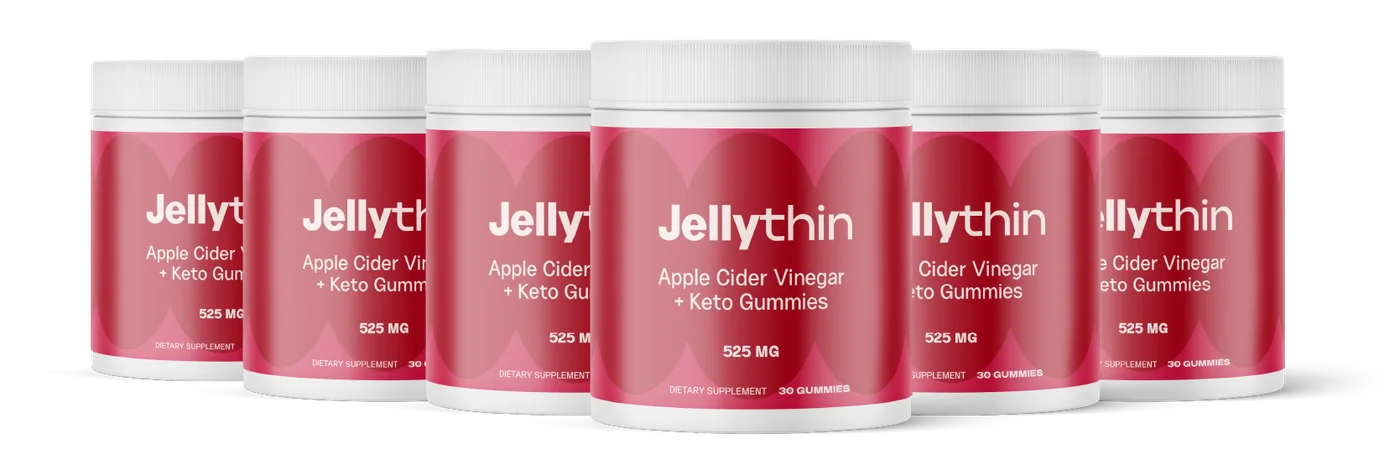
See the label this was written from
The full Supplement Facts transcription, the blend arithmetic and today's official-store pricing — on one page.
Get OfferFrequently asked questions
Do ACV gummies contain the same acetic acid as liquid vinegar?
Chemically it is the same acetic acid, but the amount is usually very different. A tablespoon of liquid vinegar carries roughly 750 mg of acetic acid, while most gummies contain a few hundred milligrams of vinegar solids in total before other blend ingredients are subtracted. Same molecule, smaller dose.
How many gummies equal one tablespoon of apple cider vinegar?
There is no fixed rule because brands rarely print acetic acid milligrams. If a gummy states its vinegar content, divide 750 mg by that number to estimate the tablespoon equivalent. Where the label only lists a proprietary blend weight, the honest answer is that you cannot know.
Are gummies or liquid vinegar safer for tooth enamel?
Gummies are gentler on enamel because the acid is buffered in a chewable base rather than washing over your teeth as a liquid. Straight or poorly diluted vinegar erodes enamel with repeated exposure. If you use liquid, dilute it, drink through a straw and rinse with water afterwards.
Which format is better for appetite control?
The appetite and post-meal glucose signals in the research came from liquid doses taken with food, so liquid has the stronger case on paper. A gummy taken before a meal may offer a smaller version of the same effect, but expect a nudge rather than a switch, and pair it with a sensible diet.