What 'The Mother' in Apple Cider Vinegar Really Is
What is the mother in apple cider vinegar?
The mother is the cloudy, cobweb-like sediment in unfiltered vinegar: a mix of cellulose, proteins, enzymes and the bacteria and yeast that fermented the cider. It looks impressive, but the compound tied to vinegar's glucose effect is acetic acid, and the mother does not add more of it. Filtered vinegar contains the same acetic acid.
- What it is: a fermentation byproduct of cellulose, proteins, enzymes and microbes.
- What it is not: the source of vinegar's acetic acid or its studied effects.
- In gummies: the delicate cultures rarely survive drying and shelf storage.

"With the mother" is one of the most effective phrases in the apple cider vinegar aisle. It sounds ancient and alive, and it implies that a bottle without it is somehow lesser. The reality is more ordinary and more useful to understand: the mother is a real thing with a clear identity, it just is not the thing doing the work most people bought the vinegar for. Here is what it actually is, and what it is not.
Where the mother comes from
Vinegar is made in two fermentations. First, yeast turns the sugars in apple juice into alcohol — that is hard cider. Then a group of acetic acid bacteria convert that alcohol into acetic acid, which is what makes vinegar sour. As the bacteria work, they build a raft of cellulose fibers and get tangled up with leftover proteins, enzymes and yeast (MedlinePlus: Herbs and Supplements). That cloudy, gelatinous, cobweb-looking mass is the mother. If you leave raw vinegar to sit, more of it can form.
So the mother is not an additive and not a secret extract. It is the visible residue of the living process that made the vinegar in the first place — the used machinery of fermentation, essentially, suspended in the finished product.
What is actually in it
Broken down, the mother is mostly:
- Cellulose — the stringy fiber the bacteria spin, which gives the mother its cobweb look.
- Proteins and enzymes left over from the microbes.
- Live acetic acid bacteria and yeast — the "culture" people find appealing, similar in spirit to what is in other fermented foods.
What is not concentrated in the mother is acetic acid. The acid is dissolved throughout the liquid, in filtered and unfiltered bottles alike. Straining the mother out removes the sediment; it does not remove the sourness, because the sourness was never in the sediment.
The mother is the evidence that fermentation happened. The acetic acid is the product of it — and it stays in the liquid whether the mother is there or not.
The active compound is acetic acid, not the mother
This is the crux, and it is where the marketing and the biology part ways. Nearly all the human research behind apple cider vinegar — the studies on lower post-meal glucose, the small trials on body weight — is about acetic acid. We summarise that research in ACV and blood sugar: what human vinegar trials show. That is the molecule with a plausible mechanism (slowing how fast a meal leaves the stomach) and the one the doses in those studies were built around.
The mother does not add acetic acid. It does not raise the acid concentration. So the effect that gave vinegar its reputation does not depend on the mother being present (Johnston 2004, PubMed 14694010). A clear, filtered vinegar with the same acetic acid content has the same claim to that effect as a cloudy, unfiltered one. What matters far more than the cloudiness is when you take it, which is the subject of ACV gummies morning or night. The mother might carry some probiotic or antioxidant interest of its own, but that is a separate, far less-studied question — not the reason vinegar shows up in glucose research.
Do gummies actually contain the mother?
Usually not in any way that survives. Most ACV gummies are made from dried apple cider vinegar powder, produced by spray-drying liquid vinegar onto a carrier. The delicate parts of the mother — the live bacteria, the enzymes — do not handle that kind of heat and processing well, and they degrade further sitting on a shelf at room temperature for months. So even a gummy that started from "vinegar with the mother" is unlikely to deliver intact cultures by the time you chew it.
What a gummy can honestly deliver is acetic acid, which is stable and is the part that matters for the studied glucose effect (NCCIH: Probiotics). That is the fair way to think about the format: a gummy is a way to take acetic acid conveniently, not a way to take a live culture. The wider format comparison is in ACV gummies versus liquid vinegar. If intact probiotics from the mother are specifically what you want, a shelf-stable dried gummy is the wrong tool, and a raw unfiltered liquid or a dedicated probiotic makes more sense.
So is the mother responsible for the weight-loss claims?
No — and it is worth saying plainly because the marketing leans so hard on it. The modest trials linking vinegar to small changes in weight and waist size used vinegar for its acetic acid, and those studies were always run on top of a controlled diet. Nobody has shown that the mother, specifically, drives fat loss. When a label frames the mother as the magic ingredient, it is borrowing credibility from acetic acid's research and attaching it to the photogenic sediment.
A sensible way to read "with the mother"
- It is a real thing, not a scam — but it is a marker of an unfiltered, less-processed vinegar rather than a potent active in its own right.
- Judge liquid vinegar on acetic acid, which is present with or without the mother.
- Do not pay a large premium for "the mother" in a gummy, where the live parts likely did not survive anyway.
- If you want live cultures, choose a raw, refrigerated, unfiltered liquid and accept the taste, or use a purpose-made probiotic.
The takeaway
The mother is the cobwebby proof that your vinegar was made the traditional way — a genuine, interesting fermentation byproduct. But it is a supporting character, not the lead. The molecule that earned apple cider vinegar its place in the research is acetic acid, and that is present whether the bottle is cloudy or clear, and whether the format is a splash of liquid or a chewable gummy. Buy for the acid and the habit you will keep; treat "with the mother" as a nice-to-have, not the reason it works.
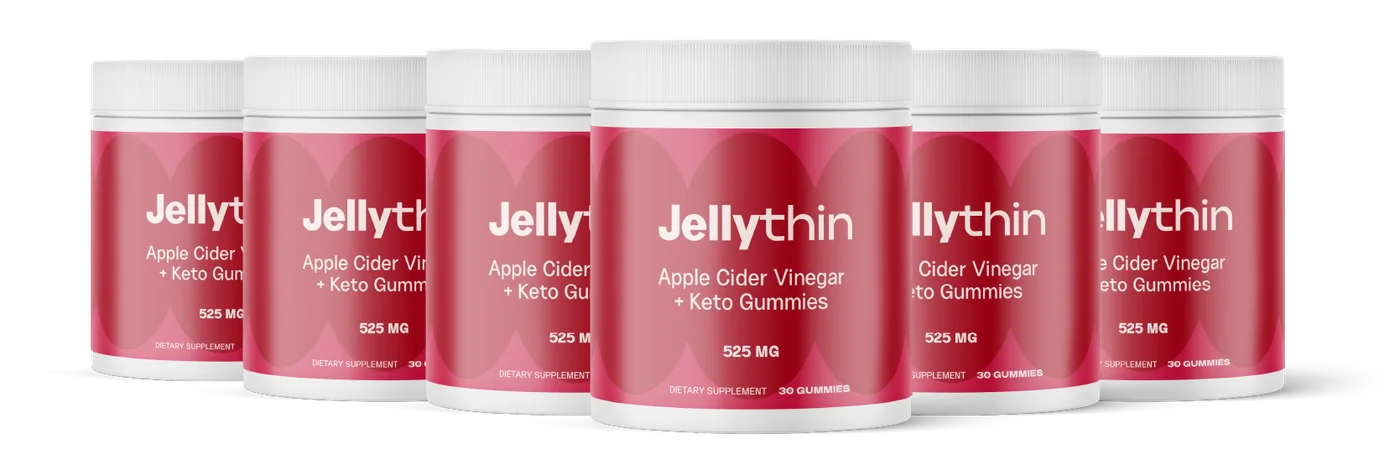
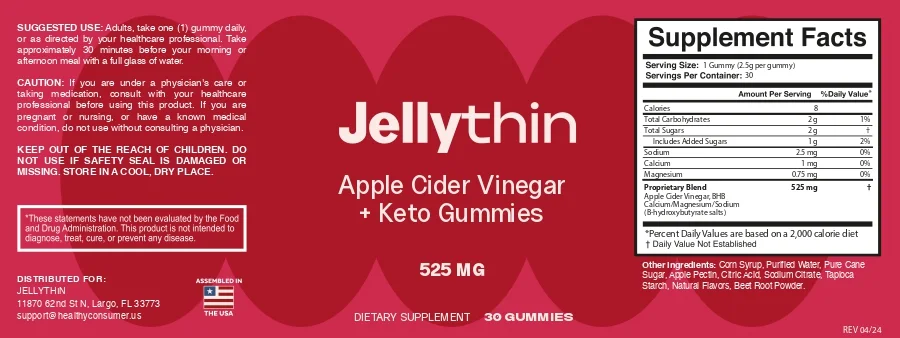
See the label this was written from
The full Supplement Facts transcription, the blend arithmetic and today's official-store pricing — on one page.
Get OfferFrequently asked questions
What is 'the mother' in apple cider vinegar?
The mother is the cloudy, cobweb-like sediment left in unfiltered vinegar after fermentation. It is a mix of cellulose, proteins, enzymes and the beneficial bacteria and yeast that turned the cider into vinegar. It looks impressive in the bottle, but it is a byproduct of fermentation rather than a concentrated active ingredient.
Does ACV need the mother to work?
No. The compound linked to vinegar's effect on post-meal glucose is acetic acid, and filtered vinegar without the mother contains the same acetic acid as unfiltered vinegar. The mother does not add acetic acid, so the best-evidenced action of vinegar does not depend on the mother being present.
Do ACV gummies contain the mother?
Usually not in any meaningful way. Most gummies are made from dried vinegar powder, and the delicate bacteria and enzymes of the mother do not survive processing and shelf storage well. A gummy can genuinely supply acetic acid, but if intact live cultures are what you want, a gummy is the wrong format.
Is the mother responsible for weight-loss claims?
No. The modest human trials on vinegar and body weight used the acetic acid content, not the mother, and those studies still ran on top of a controlled diet. The mother is marketed as the special ingredient, but there is no good evidence that it drives weight loss on its own.