How to Read a Keto Gummy Nutrition Panel
How do you read a keto gummy nutrition panel?
Start with serving size, because every number scales to it. Check total carbohydrate, then total and added sugars, then subtract fiber and sugar alcohols to estimate net carbs. Finally, find the Supplement Facts box - that is where active ingredients like ACV or BHB should appear, ideally with milligram amounts rather than hidden in a blend.
- Serving size first: a "1 g sugar" gummy becomes 3 g if the dose is three gummies.
- Net carbs are an estimate, not a legal term — total carbs minus fiber and sugar alcohols.
- No milligram next to ACV or BHB usually means the amount is buried in a proprietary blend.
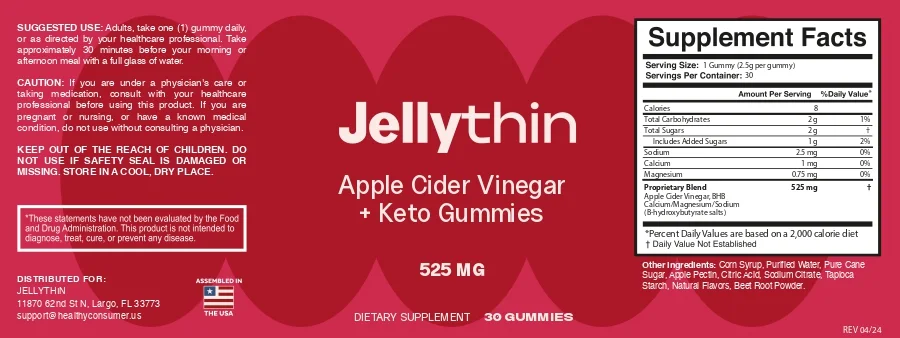
A keto gummy pouch can carry two different information boxes, and telling them apart is most of the skill. One is the familiar Nutrition Facts panel, governed by food-labeling rules; the other is a Supplement Facts panel, used when a product makes a supplement claim. Many ACV and BHB gummies show a Supplement Facts box, some show Nutrition Facts, and a few show both. Knowing which you are looking at tells you where the sugar hides and where the active ingredients should be declared.
The reason this matters for keto specifically is that a gummy has to taste good, and the cheapest way to make a chewy sweet is with sugar. A gram or two per gummy is easy to miss and easy to multiply. Reading the panel properly is how you catch it before it quietly cancels the point of the product.
Start with serving size — the number that scales everything
Before you read a single gram, read the serving size and servings per container. Every value on the panel is per serving, and "serving" is defined by the manufacturer, not by you. If the panel says one gummy but the directions say take three, the sugar, carbs and calories you actually consume are three times what the headline number suggests.
This is the most common way a label misleads without lying. A pouch can advertise "1 g sugar" truthfully, per gummy, while the real daily dose is two or three gummies. Do the multiplication first, then judge the rest of the numbers against your daily targets.
Two boxes, two rulebooks
The Nutrition Facts panel — white box, bold "Nutrition Facts" header — lists calories, total fat, total carbohydrate, sugars and so on, and it must break sugars into total and added (FDA: Changes to the Nutrition Facts Label). The Supplement Facts panel looks similar but is used for dietary supplements; it lists the active ingredients, their amounts and a percent Daily Value where one exists (FDA Dietary Supplement Labeling Guide). Ingredients without an established Daily Value are marked with a dagger and a footnote.
A keto gummy that leans on its ACV or BHB content will usually carry a Supplement Facts box for those actives. But the sugar and carbohydrate that matter for ketosis may be declared there too, in a separate Nutrition Facts box, or in the "Other ingredients" line underneath. You have to read all of it, not just the box with the biggest claims.
Total carbohydrate and the net-carb math
"Net carbs" is a marketing convenience, not a legal term — you will not find it defined by regulators. To estimate it, start with total carbohydrate per serving. Underneath, the panel breaks that into dietary fiber, total sugars and, on newer labels, sugar alcohols. The common formula is total carbohydrate minus fiber minus sugar alcohols, and what remains is the carbohydrate most likely to affect blood sugar.
Treat the result as an estimate, not a guarantee. The subtraction assumes fiber and sugar alcohols have little blood-sugar impact, which is broadly true for some ingredients and only partly true for others. And run the math on the full dose, not one gummy.

Total sugars vs added sugars
Since the U.S. label update finalized in 2016, panels must show "Total Sugars" and, indented beneath it, "Includes Xg Added Sugars." The distinction is useful. Total sugars can include naturally occurring sugar from fruit purees or juice concentrates; added sugars are what the manufacturer put in during processing — cane sugar, glucose syrup, tapioca syrup, honey and the rest.
On a keto product, the added-sugars line is the one to interrogate. Any number above zero is sweetener chosen for taste, and it counts fully against a low-carb goal. A product that adds a couple of grams of sugar per gummy and then advises three a day has quietly built a meaningful sugar dose into a "keto" routine. We run that arithmetic in full in sugar in keto gummies and the carbs it hides.
A label can be completely honest and still be easy to misread. The manufacturer picks the serving size; you have to pick it apart.
Sugar alcohols — not all the same
Sugar alcohols (polyols) are the sweeteners that let a gummy taste sweet with less impact on blood sugar — erythritol, maltitol, xylitol, sorbitol and others. They are the reason net-carb math exists. But they differ a lot. Erythritol is largely not metabolized and has minimal effect on blood glucose for most people (MedlinePlus: Carbohydrates). Maltitol, by contrast, raises glucose more and is only partly "free" — subtracting all of it overstates the benefit.
Two practical consequences. First, check which sugar alcohol is listed, not just how many grams. Second, know that polyols in larger amounts can cause bloating, gas and a laxative effect — a reason some people react badly to a big multi-gummy dose even when the sugar looks low.
Where the actual actives hide
Now the part most buyers skip: finding out how much active ingredient you are really getting. In the Supplement Facts box, apple cider vinegar and BHB salts should each appear with a milligram amount per serving. When they do, you can compare that number to what the research used and judge whether the dose is meaningful.
The warning sign is a proprietary blend: a single named blend with one combined weight, listing several ingredients underneath but no individual amounts. That is legal, but it means you cannot tell whether the blend is mostly ACV or mostly filler. If the acetic acid or BHB figure is not shown on its own, treat the dose as unknown rather than assuming it is generous. There are still four things a blend leaks, listed in reading a proprietary blend label, and the mineral trick is demonstrated in how much BHB is in a keto gummy.
A quick label walk-through
- Read serving size and servings per container; multiply everything by your actual daily dose.
- Find total carbohydrate, then subtract fiber and sugar alcohols for an estimated net carb figure.
- Check the added-sugars line — on a keto product it should be at or near zero.
- Note which sugar alcohol is used; erythritol behaves differently from maltitol.
- In Supplement Facts, confirm ACV and BHB show milligram amounts, not just a blend total.
None of this requires a nutrition degree — just the discipline to read in the right order and do a little multiplication. Serving size first, sugar and net-carb math second, and the Supplement Facts box last to see whether the actives are actually disclosed. A gummy that survives all three checks is one you can judge on its merits. One that hides the dose in a blend, or leans on added sugar for flavor, has already told you what you need to know.
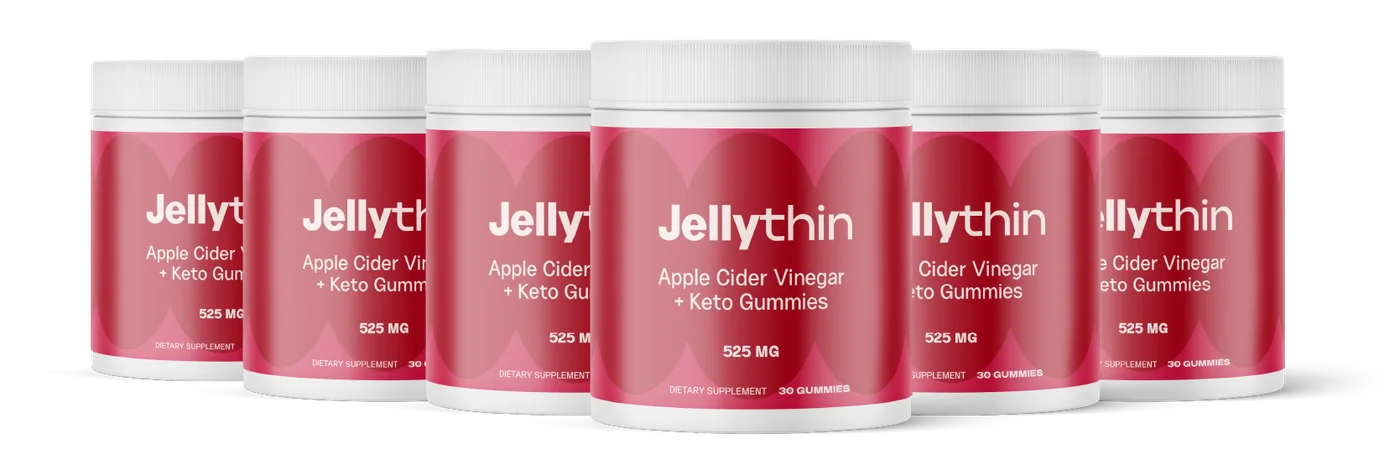
See the panel this guide was written from
The full Supplement Facts transcription, the blend arithmetic and today's official-store pricing — on one page.
Get OfferFrequently asked questions
How do I check net carbs on a keto gummy?
Net carbs are not a regulated term, so you calculate them yourself. Start with total carbohydrate per serving, then subtract the grams of dietary fiber and sugar alcohols listed below it. Whatever remains is the carbohydrate most likely to raise blood sugar. Always confirm the serving size before you trust the number.
What counts as added sugar on the label?
Added sugars are any sugars put in during processing - glucose syrup, cane sugar, tapioca syrup, honey and similar. Since 2016, U.S. labels list them on their own line, indented under total sugars. Naturally occurring sugars from fruit are not counted there, but on a keto product any added sugar line above zero is worth questioning.
Where is the acetic acid or BHB amount listed?
Look in the Supplement Facts box, not the Nutrition Facts box. Active ingredients like apple cider vinegar or BHB salts should appear with a milligram amount per serving. If they only appear inside a proprietary blend with a single combined weight, the individual doses are hidden and you cannot verify them.
Do sugar alcohols affect ketosis?
It depends on which one. Erythritol is largely not metabolized and has minimal effect on blood sugar for most people. Maltitol is different - it raises glucose more and can be subtracted only partially. Sugar alcohols can also cause digestive upset in larger amounts, so the type listed matters as much as the grams.