Sugar in Keto Gummies: Spotting Hidden Carbs
How much hidden sugar is in keto gummies?
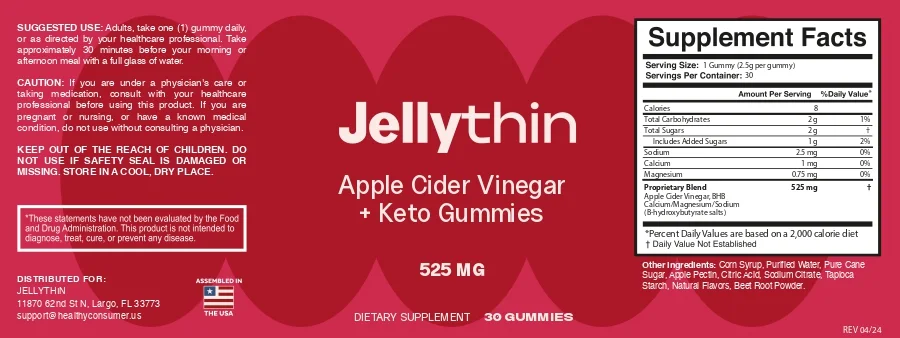
Many keto and ACV gummies contain 1 to 4 grams of added sugar per gummy to taste good, and that multiplies across a two or three gummy daily dose. Added sugar also raises blood glucose, which can offset the modest post-meal benefit vinegar is meant to provide. Read the added-sugars line, not the front of the pouch.
- Per gummy looks small; per dose it adds up — do the multiplication.
- Glucose syrup, tapioca syrup and cane sugar are all added sugar under different names.
- Sugar-free versions swap in sugar alcohols, which have their own gut trade-offs.
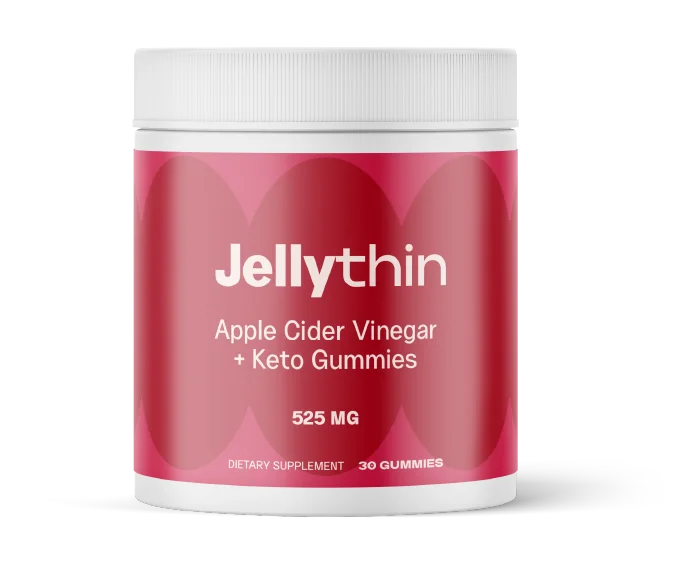
A gummy has one job before it has any other: it has to taste like a sweet. That single requirement is the source of nearly every "hidden carb" problem in the category. Sugar is the cheapest, most reliable way to make a chewy candy pleasant, so it turns up in a lot of products that market themselves as keto- or low-carb-friendly. The amount per gummy is usually small enough to look harmless. The amount per dose is where it stops being harmless.
This is not a scandal so much as a design tension. The format that makes people actually take a supplement every day — a nice-tasting gummy — is also the format most tempted to lean on sugar. The fix is not paranoia; it is knowing where to look and doing one piece of arithmetic.
What "a little sugar" becomes at full dose
Read a keto gummy panel and you will often see something like 1 to 4 grams of added sugar per gummy. On its own that is trivial. But the serving size is set by the manufacturer, and the directions frequently call for two or three gummies a day. Three gummies at 3 grams each is 9 grams of added sugar — more than two teaspoons — built into a product you are taking specifically to manage weight or blood sugar.
The per-gummy number is technically true and practically misleading. Whenever you evaluate a gummy, multiply the sugar, the carbs and the calories by the actual daily dose before comparing them to your goals. The front-of-pouch claim is written for the smallest serving; your body responds to the whole dose. Working out that dose properly is the subject of how to read a keto gummy label and nutrition panel, and of how many ACV gummies per day is safe.
The names sugar wears
Added sugar rarely shows up on the ingredients list as the plain word "sugar." It appears under a dozen aliases, and recognizing them is half the battle:
- Glucose syrup / corn syrup — a common gummy base, essentially fast-absorbing sugar.
- Tapioca syrup — marketed as more natural, but still an added sugar with a real glucose impact.
- Cane sugar, beet sugar, brown sugar — straightforward sucrose under friendlier names.
- Honey, agave, maple syrup — natural-sounding, still counted as added sugars.
- Fruit juice concentrate — used so a label can imply "from fruit," yet it behaves like added sugar.
Since 2016 the Nutrition Facts panel breaks these out on an "Includes Xg Added Sugars" line, which is the fastest way to cut through the naming games (FDA: Added Sugars on the Nutrition Facts Label). If that line is above zero on a keto product, the ingredients list will tell you which alias is responsible.
The front of the pouch is an advertisement. The added-sugars line is the fact. When they disagree, believe the line.
Sugar alcohols — the sugar-free trade-off
To dodge sugar, many brands switch to sugar alcohols (polyols) such as erythritol, maltitol, xylitol and sorbitol, sometimes alongside high-intensity sweeteners like stevia or monk fruit. These let a gummy taste sweet with much less impact on blood sugar, which is why "sugar-free" keto gummies exist at all.
But there are trade-offs. The polyols are not identical: erythritol has minimal blood-sugar impact for most people, while maltitol raises glucose noticeably more, so a "sugar-free" gummy built on maltitol is not as carb-neutral as it sounds (MedlinePlus: Carbohydrates). And all of them, in larger amounts, can cause bloating, gas and a laxative effect. A dose of two or three gummies is exactly the kind of amount that tips sensitive people into discomfort.
How added sugar works against ACV
There is a particular irony in a sugar-laden ACV gummy. Vinegar's best-supported effect is blunting the rise in blood glucose after a carbohydrate meal. If the delivery vehicle for that vinegar is itself carrying several grams of added sugar, you are pushing the glucose curve up with one hand while nudging it down with the other.
It does not literally cancel out — the acetic acid is still present — but it is a self-defeating design. The effect it is working against is the one described in what the vinegar blood-sugar trials show. A product meant to soften your blood-sugar response is a strange place to hide a couple of teaspoons of sugar. The cleanest ACV gummies keep added sugar at or near zero and rely on polyols and high-intensity sweeteners for taste, precisely to avoid working against their own premise.
Carbs that are not sugar
Sugar is not the only source of hidden carbohydrate. Gummies often use starches and maltodextrin for texture, dusting or anti-stick coating, and maltodextrin in particular has a high glycemic impact despite not being labeled as a sugar (FDA Dietary Supplement Labeling Guide). These show up inside total carbohydrate rather than on the sugar line, which is another reason to read total carbs and not stop at "sugars."
This is where the net-carb estimate earns its keep: total carbohydrate minus fiber and sugar alcohols. Run that on the full daily dose and you get a far more honest picture than any single number on the front of the pack.
How to shop without a spreadsheet
- Go straight to the added-sugars line and multiply by your daily dose.
- Scan the ingredients for syrups, cane sugar, honey and juice concentrate.
- If it is sugar-free, check which sugar alcohol is used and how many grams.
- Compare total carbohydrate per dose to your daily allowance, not per gummy.
Sugar in keto gummies is not a myth, but it is not a conspiracy either — it is a predictable consequence of making a supplement taste like candy. The defense is simple. Read the added-sugars line, translate it to your real daily dose, and be wary of a blood-sugar product that ships with a spoonful of sugar inside. A gummy that keeps added sugar near zero and shows its work is one you can take at face value. One that buries a few grams per serving has quietly handed back some of what it promised.
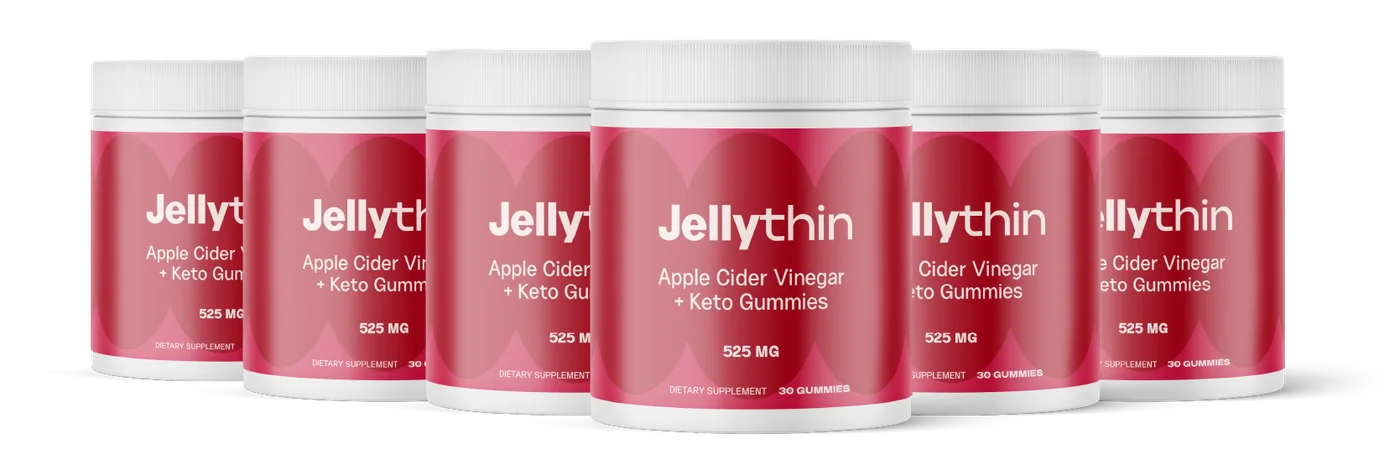
Check the added-sugars line for yourself
The full Supplement Facts transcription, the per-dose sugar math and today's official-store pricing — on one page.
Get OfferFrequently asked questions
How much sugar is in a typical keto gummy?
It varies widely. Many contain roughly 1 to 4 grams of added sugar per gummy, and some sugar-free versions contain almost none. Because the daily dose is often two or three gummies, always multiply the per-gummy figure. A pouch that looks low at one gummy can deliver several grams of sugar at full dose.
Do keto gummies really have hidden carbs?
Sometimes, yes. Carbs can hide as added sugars under names like glucose syrup or tapioca syrup, and as starches or maltodextrin used for texture and coating. None of it is illegal, but it may not match the low-carb impression the front of the pouch gives. The panel, read at full dose, is the honest source.
Can added sugar cancel out ACV's benefits?
It can work against them. Vinegar's best-supported effect is a smaller rise in blood sugar after a meal, so adding a few grams of sugar with the same dose pushes in the opposite direction. It will not literally erase the vinegar, but a sweet, sugar-laden gummy is a strange vehicle for a blood-sugar habit.
Are sugar-free gummy sweeteners safe?
For most people the common ones are considered safe in normal amounts. Sugar alcohols like erythritol and maltitol, and high-intensity sweeteners like stevia, are widely used. The main drawback is digestive: larger amounts of sugar alcohols can cause bloating, gas or a laxative effect, so how much you take at once matters more than the ingredient itself.