Keto ACV Gummies: Side Effects and Who Should Avoid
What are the side effects of keto ACV gummies, and who should avoid them?
Most side effects are mild and digestive: nausea, an acidic stomach, gas or loose stools. Vinegar can add to blood-sugar-lowering drugs and may lower potassium, and enamel erosion is a real long-term concern. People who are pregnant, on diabetes or blood-pressure medication, or who have kidney issues should check with a clinician first.
- Common: digestive upset and, over time, tooth-enamel wear.
- Watch: interactions with diabetes, diuretic and potassium-affecting medicines.
- Ask first: pregnancy, breastfeeding, kidney disease, gastroparesis.
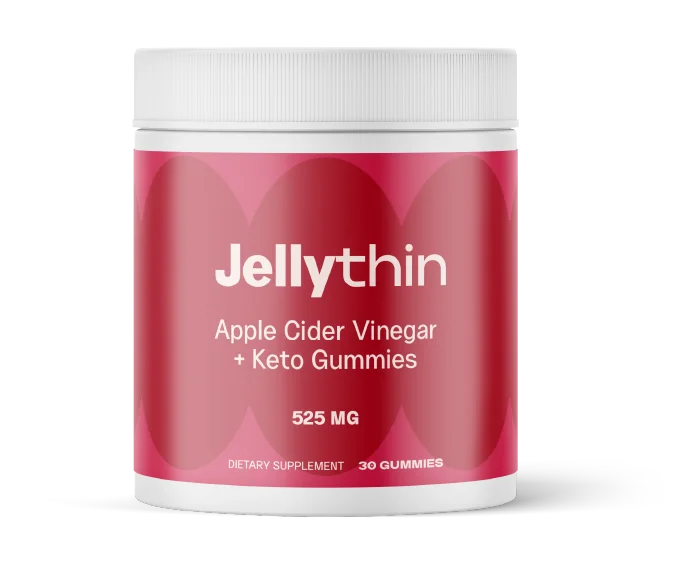
Apple cider vinegar gummies are marketed as gentle, and for most healthy adults at label doses they are. But "gentle" is not the same as "no downsides," and the acidic base plus the mineral salts and added sugars that ride along with it create a handful of real, if usually minor, effects worth understanding before you start. This is a plain rundown of what tends to happen, what to watch for, and who has good reason to be cautious.
The common, mild effects
The most frequent complaints are digestive and predictable, because you are taking a mild acid on a regular basis.
- Nausea or an acidic stomach. Especially on an empty stomach or when you first start. Taking the gummy with food usually settles it.
- Gas, bloating or loose stools. Vinegar and the sugar alcohols some gummies use can loosen things up for a few days while your gut adjusts.
- Reflux. If you already get heartburn, an acidic product can aggravate it. This is one of the clearer "not for everyone" signals.
- Throat irritation. Less common with gummies than with liquid, but possible.
These typically fade or can be managed by adjusting timing and taking the gummy with a meal. If they do not settle, that is a reasonable reason to stop. It is also worth starting low: if the label allows one to three gummies, begin with one for the first week and let your stomach adapt before increasing. Most of the early complaints come from people who jump straight to the maximum serving on day one, on an empty stomach, expecting the gentlest possible experience from what is, chemically, a dose of acid.
Tooth enamel: the slow one
This is the side effect people underestimate because it is invisible day to day. Repeated acid contact softens and erodes dental enamel, and enamel does not grow back (MedlinePlus: Tooth Disorders). A gummy you chew and hold against your teeth is arguably worse for this than a diluted drink you swallow quickly. Two simple habits help: rinse your mouth with plain water afterwards, and do not brush straight away, because brushing acid-softened enamel scrubs it off faster. The full dental picture, including how gummies and liquid vinegar trade risks, is in ACV and tooth enamel. If you already have sensitive teeth or enamel loss, factor this in.
The acidity that gives vinegar its effect is the same acidity that wears enamel and irritates a sensitive stomach. There is no version of ACV that has one without the other.
Blood sugar and the interaction that matters most
Vinegar's best-supported action is blunting the glucose rise after a meal. That is usually framed as a benefit — but it becomes a hazard if you are also taking a medicine that lowers blood sugar. The size of that glucose effect is summarised in what the vinegar blood-sugar trials show. Insulin and oral diabetes drugs already push glucose down; stacking a daily glucose-lowering agent on top can push it too far, toward hypoglycemia (shakiness, sweating, confusion) (MedlinePlus: Herbs and Supplements). If you take any diabetes medication, this is not a "probably fine" situation — it is a specific reason to talk to your prescriber before starting and, if you do start, to watch your readings more closely.
Potassium, diuretics and the kidneys
There are case reports linking very high, sustained vinegar intake to low blood potassium. At sensible gummy doses this is unlikely, but it is the reason a few groups should be careful:
- People on diuretics or other medicines that already move potassium, where an added downward nudge is unwelcome.
- People with kidney disease, whose kidneys are less able to balance the acid and mineral load. The BHB salts in "keto" gummies add sodium, calcium and magnesium, which is another reason kidney patients should ask first.
- People on certain heart medications, including some that are sensitive to potassium levels.
The added sugar nobody mentions
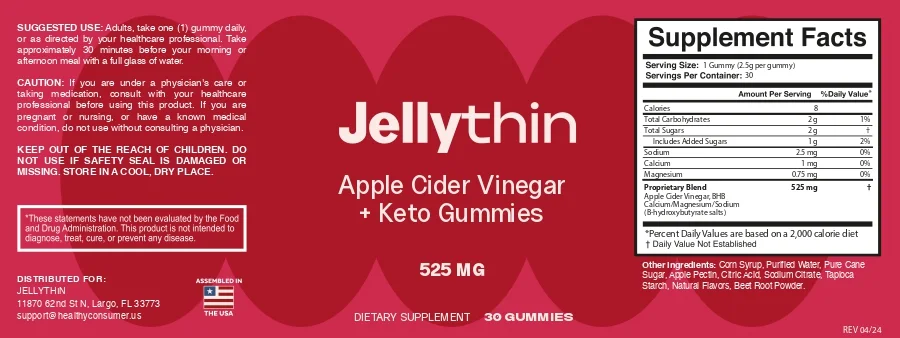
A gummy has to taste like a gummy, and many contain a few grams of added sugar or a blend of sugar alcohols per serving. That is minor for one gummy, but it adds up if the label directs two or three a day, and it slightly works against the metabolic point of taking vinegar in the first place. Which is exactly why how many ACV gummies per day is safe treats the labelled serving as a ceiling. For people managing blood sugar or counting carbs, the sugar line on the panel is part of the safety picture, not just the taste picture.
Who should check with a clinician first
None of the following means "you cannot" — it means "ask someone who knows your history before you do":
- Pregnant or breastfeeding. There is not enough safety data to recommend supplemental ACV, so the default is to hold off unless your clinician says otherwise.
- Taking diabetes medication (insulin or oral), for the hypoglycemia risk above.
- On diuretics or potassium-affecting drugs, or with a heart condition managed by such medicines.
- Kidney disease, because of the acid and mineral load.
- Gastroparesis (delayed stomach emptying), which vinegar can worsen.
- Frequent reflux or ulcers, where added acid is counterproductive.
- Children, who should not take these unless a pediatrician advises it — the sweet, candy-like format is also a reason to store them out of reach.
Why supplements need more caution than drugs
It is worth being clear about the regulatory background, because it changes how you should read any supplement's marketing. In the United States, dietary supplements are not approved by the FDA before they go on sale (FDA: Dietary Supplements). The agency does not vet them for safety or effectiveness the way it does prescription drugs; the manufacturer is responsible for its own quality and claims, and the FDA generally steps in only after a problem surfaces. That does not make supplements dangerous, but it does mean the burden of scrutiny falls on you. Favor products with third-party testing, a fully disclosed label, and claims that stay modest.
The honest summary
For a healthy adult, a keto ACV gummy at the label dose is a low-risk thing to try, with digestive upset and long-term enamel wear as the effects most likely to matter. The situations that turn a minor product into a real concern are specific and identifiable: diabetes medication, diuretics and potassium, kidney disease, pregnancy, and pre-existing gut problems. If you are in one of those groups, a two-minute conversation with a pharmacist or doctor is the cheapest insurance there is.
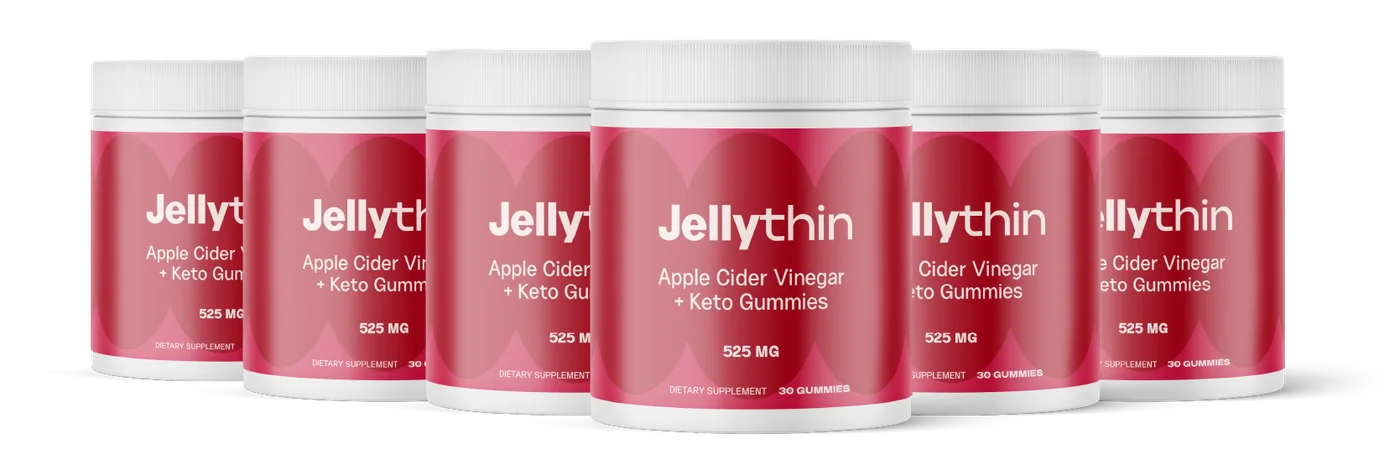
See the label this was written from
The full Supplement Facts transcription, the blend arithmetic and today's official-store pricing — on one page.
Get OfferFrequently asked questions
What are the side effects of keto ACV gummies?
The most common are digestive: nausea, an acidic or upset stomach, gas or loose stools, especially early on or on an empty stomach. Repeated acid contact can also erode tooth enamel over time. Some gummies add a few grams of sugar per serving. Serious effects are uncommon at label doses.
Who should not take ACV gummies?
Anyone who is pregnant or breastfeeding, taking diabetes or blood-pressure medication, on diuretics or drugs that affect potassium, living with kidney disease, or managing gastroparesis or frequent reflux should talk to a clinician before starting. Children should not use them unless a pediatrician advises it.
Can ACV gummies interact with medications?
They can. Vinegar may add to the blood-sugar-lowering effect of insulin and diabetes drugs, and it may lower potassium, which matters with diuretics, some heart medications and insulin. If you take prescription medicine, ask your pharmacist or doctor before adding a daily ACV product.
Are ACV gummies FDA approved?
No. Dietary supplements are not approved by the FDA the way drugs are. The FDA does not review them for safety or effectiveness before sale, and manufacturers are responsible for their own claims. That is why third-party testing and a clear label matter more with supplements than with medicines.