Exogenous vs Endogenous Ketones: A Simple Guide
What is the difference between exogenous and endogenous ketones?
Endogenous ketones are made by your liver when carbohydrate is scarce, so they signal that you are burning fat for fuel. Exogenous ketones, like the BHB salts in a gummy, are ready-made and swallowed; they raise blood ketones briefly without any diet change. A higher reading from a supplement is not the same as fat-burning ketosis.
- Endogenous: made inside you by a carb deficit — a result of dieting.
- Exogenous: added from outside — a temporary fuel, not a fat-burning state.
- Note: BHB salts also add sodium, calcium and magnesium.

The word "ketone" gets used as if it means one thing, but there are two very different ways a ketone can end up in your blood: your body can make it, or you can swallow it. That single distinction — endogenous versus exogenous — explains most of the confusion around keto gummies and BHB supplements, and why a rising number on a ketone meter can be genuinely misleading. Here is the plain-language version.
Endogenous ketones: the ones you make
"Endogenous" just means "produced inside." When you eat very few carbohydrates — through a ketogenic diet, prolonged fasting, or hard endurance exercise — your body runs short on glucose. In response, your liver starts breaking down fat into ketone bodies, chiefly beta-hydroxybutyrate (BHB), to fuel your brain and muscles (StatPearls, NCBI Bookshelf: The Ketogenic Diet). When blood levels of these home-made ketones rise into a certain range and stay there, you are in nutritional ketosis.
The important part is what those ketones represent. They are a consequence of a fuel shortage. Their presence tells you your body has switched to drawing on fat because glucose is scarce. The ketones are the smoke; the fire is the carbohydrate deficit that produced them.
Exogenous ketones: the ones you swallow
"Exogenous" means "from outside." Exogenous ketones are ketones manufactured and put into a product — usually BHB salts (BHB bound to sodium, calcium or magnesium) in powders and gummies, or the pricier, worse-tasting BHB esters used in research. When you take them, they are absorbed and your blood ketone level goes up for a while, without you changing your diet at all.
And that is the trap. Because a blood test now reads "ketones present," it is easy to conclude you are in ketosis. But those ketones did not come from burning your own fat — they came from the packet. Your liver is not making them; you added them. If you ate a bowl of pasta an hour ago, you are running on glucose and simultaneously carrying some swallowed BHB in your blood. That is precisely why keto gummies do not put your body into ketosis. The meter cannot tell the difference, but your metabolism can.
Endogenous ketones are a symptom of fat-burning. Exogenous ketones are a product you consume. A meter reads them the same; they mean opposite things.
Why a high reading is not fat loss
This is the point that matters for anyone buying a keto gummy to lose weight. Fat loss requires an energy deficit — spending more than you take in, so your body draws down its fat stores. Endogenous ketosis is associated with fat loss because the same carb deficit that makes the ketones also tends to create that energy shortfall.
Exogenous ketones do the opposite of creating a shortfall: they are fuel you added from outside. You have handed your body extra energy to burn. There is even evidence that raising blood ketones with a supplement can temporarily suppress your body's own fat breakdown, because circulating BHB signals "fuel is available" and the body eases off releasing stored fat (Newman & Verdin 2017, PubMed 28826372). So taking exogenous ketones does not burn body fat, and in the short term it can nudge things slightly the wrong way. What it can do is give some people an alternative fuel and possibly blunt appetite a little — but that is not the same as melting fat.
The dose problem with gummies specifically
Even setting aside the endogenous-versus-exogenous distinction, gummies face a size problem. Research that actually raises blood ketones with exogenous salts or esters uses doses around 10 to 12 grams per serving, and often reports stomach upset at that level. A typical gummy contains a tiny fraction of that — frequently single-digit to low double-digit milligrams of ketone salt once you account for everything else in the blend. The fraction can be calculated from the mineral lines, as how much BHB is in a keto gummy demonstrates. That is two to three orders of magnitude short of a dose that moves the needle. So a gummy will not meaningfully raise even a transient blood-ketone reading, let alone create ketosis.
The mineral load nobody markets
There is a physical reason exogenous BHB comes bound to minerals: BHB is an acid, and to make it into a stable powder it is paired with sodium, calcium or magnesium to form a salt. At the milligram doses in gummies this is negligible. But at the gram-scale doses used to actually raise ketones, the accompanying mineral load becomes significant — several grams of BHB can deliver a notable amount of sodium in particular, which is worth knowing for anyone watching blood pressure or fluid balance. It is one more reason the "just take ketones" pitch is more complicated than it sounds. Electrolytes matter in the other direction too, which is the subject of keto flu and how to avoid it.
How long the exogenous bump lasts
Any rise in blood ketones from a supplement is temporary. Typically levels climb within about an hour of a real dose and drift back toward baseline within roughly two to four hours as the body uses or clears the ketones (MedlinePlus: Diabetic ketoacidosis). It is a spike, not a plateau. Endogenous ketosis, by contrast, is sustained for as long as you keep carbohydrate low. That difference — a short bump versus a maintained state — is another way to see that the two are not interchangeable.
So what are exogenous ketones good for?
Honestly, less than the marketing implies, but not nothing. In research settings, ketone esters are being studied for athletic fuelling and other niche uses, at doses and prices far beyond a gummy. For an ordinary person taking a gummy, the exogenous BHB is essentially a rounding error: too small to raise ketones, too small to matter as fuel, and not a route to ketosis or fat loss. If a product delivers value, it is coming from something else — the vinegar, the habit, an accompanying diet — not from the ketones you swallowed.
The one-sentence version
Endogenous ketones are what your body makes when you have earned ketosis through diet; exogenous ketones are what you buy in a jar, and buying them does not reproduce the metabolic state that makes ketosis worthwhile. Judge a keto gummy on its whole ingredient list and on the diet you pair it with — never on a ketone reading, which can be raised by a supplement without any of the fat-burning the reading is supposed to imply.
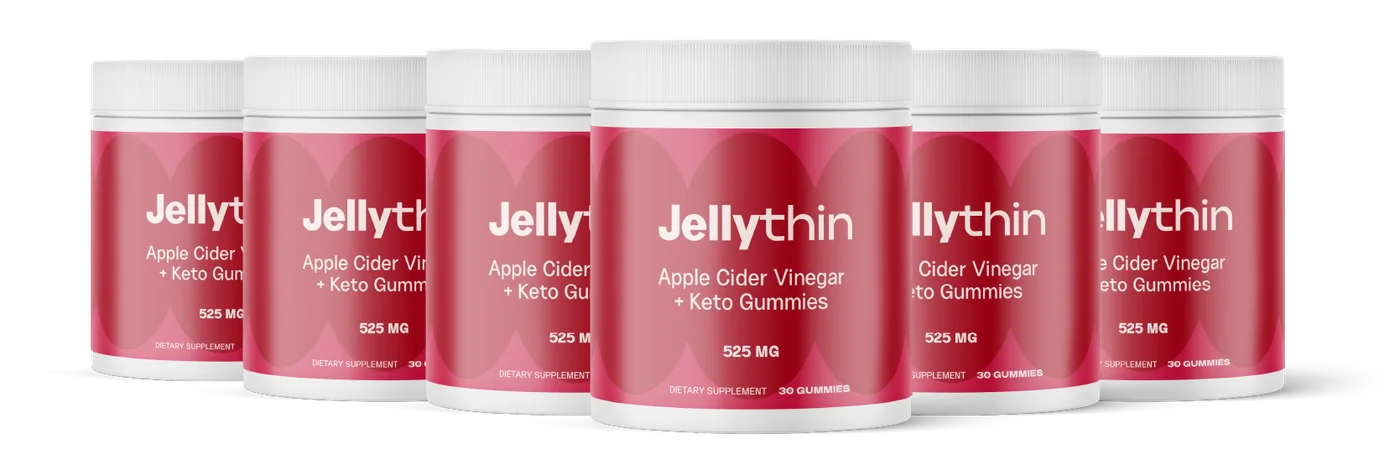
See the label this was written from
The full Supplement Facts transcription, the blend arithmetic and today's official-store pricing — on one page.
Get OfferFrequently asked questions
What is the difference between exogenous and endogenous ketones?
Endogenous ketones are made inside your body by the liver when carbohydrate is scarce, so they are a sign that you are running low on glucose and burning fat. Exogenous ketones are ready-made ketones you swallow, such as BHB salts in a gummy, which raise blood ketones for a while without any change in diet.
Do BHB gummies mean I'm in ketosis?
Not in the way the diet means it. A large dose of BHB can raise the number on a blood ketone meter, but that reading reflects the ketone you swallowed, not a fat-burning state your body switched into. If you are still eating carbs, your body is running on glucose regardless of the reading.
Do exogenous ketones burn body fat?
No. Exogenous ketones are a fuel you add from outside, so they give your body more energy to use, not less. They do not create the calorie deficit that burns stored fat, and by raising blood ketones they can actually signal the body to release less of its own fat for a time.
How long do exogenous ketones stay elevated?
Usually only a few hours. Blood ketones from a supplement dose tend to rise within an hour and return toward baseline within about two to four hours as the body uses or clears them. It is a temporary bump, not a lasting metabolic change, and the tiny dose in a typical gummy barely moves the number at all.