Keto Gummies vs a Ketogenic Diet
The short version
"Keto" on a gummy label and "keto" as a way of eating describe two different biological situations. A ketogenic diet removes carbohydrate until your liver starts producing ketones from fat. An exogenous ketone product supplies ketones from outside, which raises the number in your blood without any of the metabolic changes that made the diet interesting.
- Nutritional ketosis is a consequence of low carbohydrate availability.
- Swallowed ketones raise blood BHB directly — and can suppress your own production while they do.
- Either way, a milligram-scale gummy dose is far below the 10–12 g used in the research.
What a ketogenic diet actually does
Restrict carbohydrate far enough and liver glycogen runs down. With glucose scarce, the liver shifts to breaking down fatty acids and converting them into ketone bodies — mainly beta-hydroxybutyrate — which the brain and muscle can use as fuel. Blood BHB climbs from near zero into the region of 0.5 to 3 mmol/L, and that state is called nutritional ketosis (StatPearls, NCBI Bookshelf: The Ketogenic Diet).
The important part for weight is not the ketones (Gibson 2015, PubMed 25402637). It is the whole package: very low carbohydrate intake, high protein and fat satiety, the elimination of most convenience food, and typically a substantial spontaneous drop in calories. Ketones are a marker that the state has been achieved. They are not the mechanism by which the state causes weight loss.
What exogenous ketones do instead
Drink a large enough dose of ketone salts or a ketone ester and blood BHB rises within an hour, regardless of what you ate. That is real, and it is measurable, and it is why the products exist. But the state it produces is not the same one the diet produces, and in one specific way it is the opposite.
Because BHB is available in the blood, the body has no reason to make more. Circulating fatty acids fall and endogenous ketone production is suppressed for as long as the exogenous supply lasts. You are not burning more of your own fat during this window; you are burning something you swallowed. That contrast is set out plainly in exogenous versus endogenous ketones. For an athlete looking for an alternative fuel that is a coherent goal. For someone trying to lose fat, it is at best beside the point.
A blood ketone reading tells you ketones are present. It does not tell you where they came from — and for fat loss, that is the only part that matters.
The doses in the research
Studies that successfully raise blood ketones use roughly 10 to 12 grams of ketone salts or ester per serving, and gastrointestinal side effects at that level are common enough to be a recurring limitation in the write-ups (Newman & Verdin 2017, PubMed 28826372). Salt-based products carry an additional problem: to deliver 10 g of BHB as a sodium, calcium and magnesium salt is also to deliver a substantial mineral load, which is why ester forms exist despite tasting far worse.
A gummy weighing 2.5 g in total cannot contain 10 g of anything. You can pin down what it does contain with the method in how much BHB is in a keto gummy. Most keto gummies deliver ketone salts in the tens of milligrams — two to three orders of magnitude below the research dose. Whatever else such a product does, it does not raise your blood ketones.
So what is a keto gummy for?
Usually, something else entirely. Look at the ingredient list and the second name is very often apple cider vinegar — which has its own modest, genuinely-studied effect on post-meal glucose, and which is doing most of the work by weight. The "keto" branding attaches the product to a popular diet; the vinegar is the part with a mechanism at the dose provided.
That is not automatically dishonest, but it is worth naming, because it changes how you should judge the product. The fair question is not "will this put me in ketosis" — it will not — but "is a small daily dose of vinegar in a convenient format worth the price". We take that question seriously in our review of the vinegar trials, and work out how much ketone salt is really present in the label-arithmetic piece.
If you actually want ketosis
Then the route is dietary, and it is demanding: carbohydrate typically under 20–50 g per day, sustained, with attention to electrolytes during the first fortnight while sodium and fluid losses run high. If you are not going down that road, you can still take an ACV gummy without a keto diet for the vinegar alone. It is not something a supplement shortcut delivers, and the evidence that it beats other diets calorie-for-calorie in the long run is weaker than its reputation suggests. But it is at least the thing itself rather than a label borrowing its name.
The one-line version
A ketogenic diet changes where your fuel comes from. A keto gummy, at the doses actually sold, changes what is written on your kitchen counter. Judge it on the ingredient that is really in it.
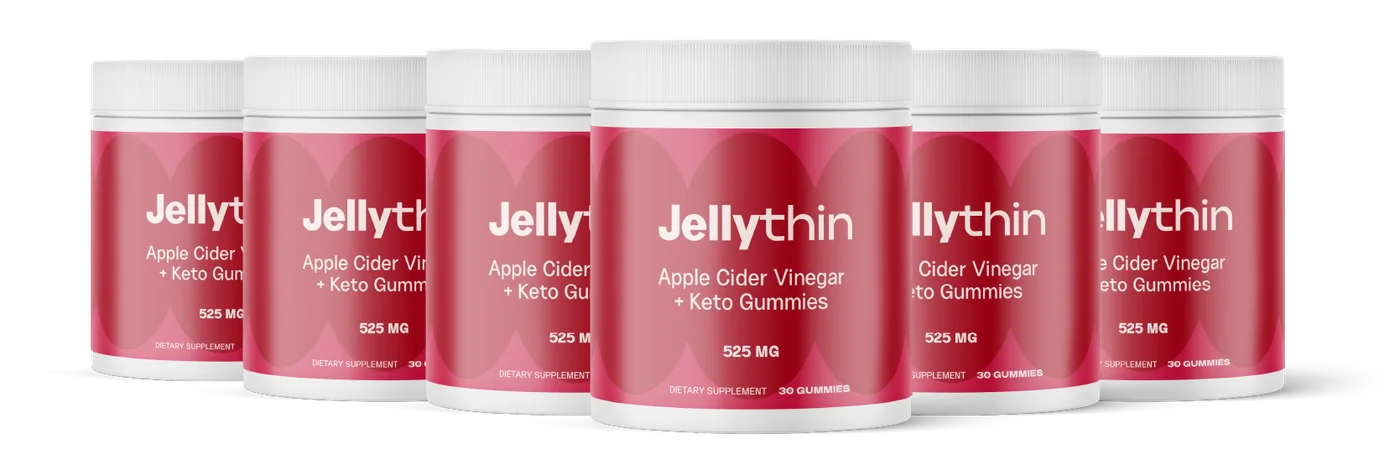
See the label this was written from
The full Supplement Facts transcription, the blend arithmetic and today's official-store pricing — on one page.
Get OfferFrequently asked questions
Do keto gummies break ketosis?
A gummy containing 2 g of carbohydrate is unlikely to on its own, though if you are eating at a 20 g daily limit it is 10% of your budget for no metabolic return. Read the carbohydrate line, not the branding.
Can exogenous ketones help me get into ketosis faster?
They raise blood BHB, which is what a meter measures, so the reading looks right. But they suppress your own ketone production while present, so they do not accelerate the adaptation the diet is meant to produce.
Is BHB safe?
At supplement doses it is well tolerated; at research doses gastrointestinal upset is common and the mineral load from salt forms is non-trivial. Anyone on a sodium-restricted diet should read the sodium line carefully.