Jelly Thin® Side Effects: Sugar, Acid and Cautions
Quick answer
No Jelly Thin side effect rates are published, and no trial has tested the finished gummy. The label does show things worth knowing: 2 g of sugars per gummy, acidic vinegar and a caution for people on medication, pregnant or nursing. If any of those apply, or something feels wrong after you start, speak to a healthcare professional.
Key facts
- No side effect rates are published for the finished gummy.
- Each gummy has 8 calories and 2 g of sugars, 1 g of it added.
- The blend contains vinegar, which is acidic, so chew and rinse with water.
- The label advises asking a professional first if you take medication, are pregnant or nursing, or have a medical condition.
- The gummy has no caffeine and no stimulant blend.
Read the label before you order
See the full panel, the caution text and the 60-day guarantee on the official page.
See today's price and guaranteeWhat are the known Jelly Thin side effects?
Honest answer first: there is no published list of Jelly Thin side effects with numbers. The seller offers no trial on the finished formula, and we found no independent safety data. Any page that quotes a percentage is guessing. What we can do is read the label and think about what each part could mean for a sensitive person.
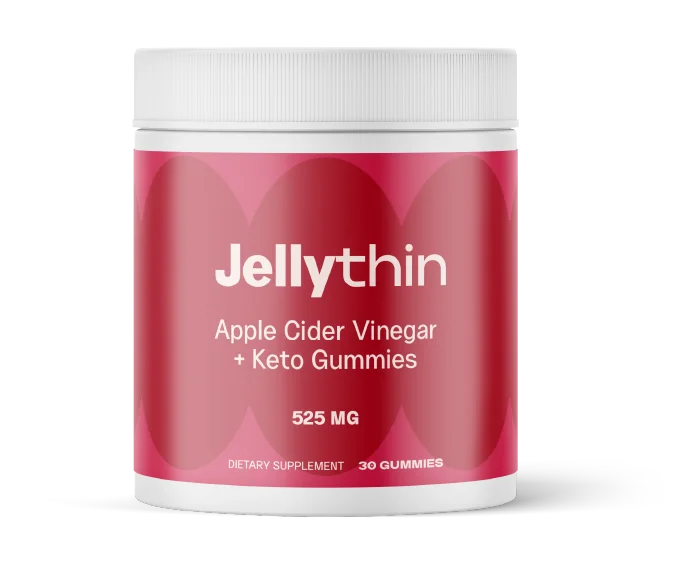
Each 2.5 g gummy carries a 525 mg proprietary blend of apple cider vinegar and calcium, magnesium and sodium BHB salts, set in a pectin base. The panel declares 2.5 mg of sodium, 1 mg of calcium and 0.75 mg of magnesium per gummy. Those are small amounts. The label also tells adults to take one gummy a day, or as directed by a healthcare professional.
Does the sugar in the gummy matter?
For many people it is a small thing, but it is real. One gummy has 8 calories, 2 g of carbohydrate and 2 g of total sugars, with 1 g of that added. The base uses corn syrup and pure cane sugar. If you count carbohydrate closely or watch your blood sugar for any reason, plan around it and ask your clinician.
The format is a trade. A gummy avoids the sting of liquid vinegar, but it brings sugar. A capsule avoids both, but gives you less of a daily cue. You can see the trade on the label, which is a good thing.
Is the vinegar a concern for teeth and stomach?
Vinegar is acidic. Dentists warn about repeated direct contact between acid and tooth enamel. In a gummy the acid sits inside a pectin base, which is gentler than sipping vinegar neat, but it is not zero. Chew the gummy, then rinse your mouth with water, and keep up your normal dental care.
Some people find that acidic foods upset the stomach. Taking the gummy with a full glass of water, as the label directs, is the simple way to be gentle. If you get lasting discomfort, stop and ask a professional rather than pushing on.
Who should ask a professional before starting?
The label gives a caution that is worth repeating. If you are under a physician's care or taking medication, consult your healthcare professional before use. If you are pregnant or nursing, or have a known medical condition, do not use without consulting a physician.
- You are under 18.
- You are pregnant or nursing.
- You take medication, in particular for blood sugar, blood pressure or the heart.
- You follow a sodium or potassium plan for medical reasons.
- You are sensitive to added sugar, vinegar or any item in the base.
If you want to know more about the general risks of this type of gummy, read our guide on keto ACV gummy side effects and who should avoid them.
What about caffeine, jitters or sleep?
The formula has no caffeine and no stimulant blend, and the seller describes it as stimulant-free. So the usual jitters from a stimulant are not part of the label. That also means the gummy does not fight with your coffee or your evening routine. It does not mean no one will ever react, because bodies differ.
How can you lower the chance of a bad reaction?
Start plainly. Read the full ingredient list on the bottle you receive. Take one gummy a day, no more, about 30 minutes before a morning or afternoon meal, with water. Do not double up after a missed day. Store the bottle sealed, cool and dry, and keep it away from children. Do not use it if the safety seal is damaged or missing.
Keep a short note for the first two weeks. If something worries you, stop and speak to a professional. You can check the nutrition panel line by line with our guide to reading a keto gummy nutrition panel, and see the home page FAQ for more answers.
Frequently asked questions
Does Jelly Thin have known side effects?
No rates are published, because no trial has tested the finished gummy. Read the label, consider your own sensitivities and ask a professional if you have a health condition.
Can I take Jelly Thin with medication?
Ask your doctor or pharmacist first. This guide cannot judge interactions for your case, and the label asks people on medication to consult a professional.
Does Jelly Thin contain sugar?
Yes. Each gummy has 2 g of total sugars, including 1 g of added sugar, and 8 calories.
Our view
Jelly Thin side effects are an open question because the data do not exist. That is a reason for care, not alarm. The visible trade-offs are a little sugar and a little acid, and both are small per gummy. If you are healthy and the routine appeals, start with one bottle and watch how you feel. If you have a condition or take medication, ask first.
Check today's price and guarantee
Compare the three bundle sizes and read the guarantee terms on the official page.
See today's price and guarantee